AI (artificial intelligence)
The ability of computers and other machines to show, or seem to show, intelligent behaviour. It sometimes refers to software that uses large amounts of data to generate new content, including images and film.
Browse our guide to illustration-related terms, from ‘abstract’ to ‘zine’. Find definitions of materials, techniques, formats and types of illustration.
Something missing or not right?
Email us collections@qbcentre.org.uk.
The ability of computers and other machines to show, or seem to show, intelligent behaviour. It sometimes refers to software that uses large amounts of data to generate new content, including images and film.
Describes an artwork that doesn’t accurately represent a visual reality and may not have a clear subject matter.
Fast-drying paint made of pigment suspended in acrylic polymer emulsion. It is water-based and dries quickly.
The practice of promoting products or services, as well as the materials used to do so (such as posters).
A pen-like tool that sprays tiny droplets of ink, dye or paint onto a surface using compressed air.
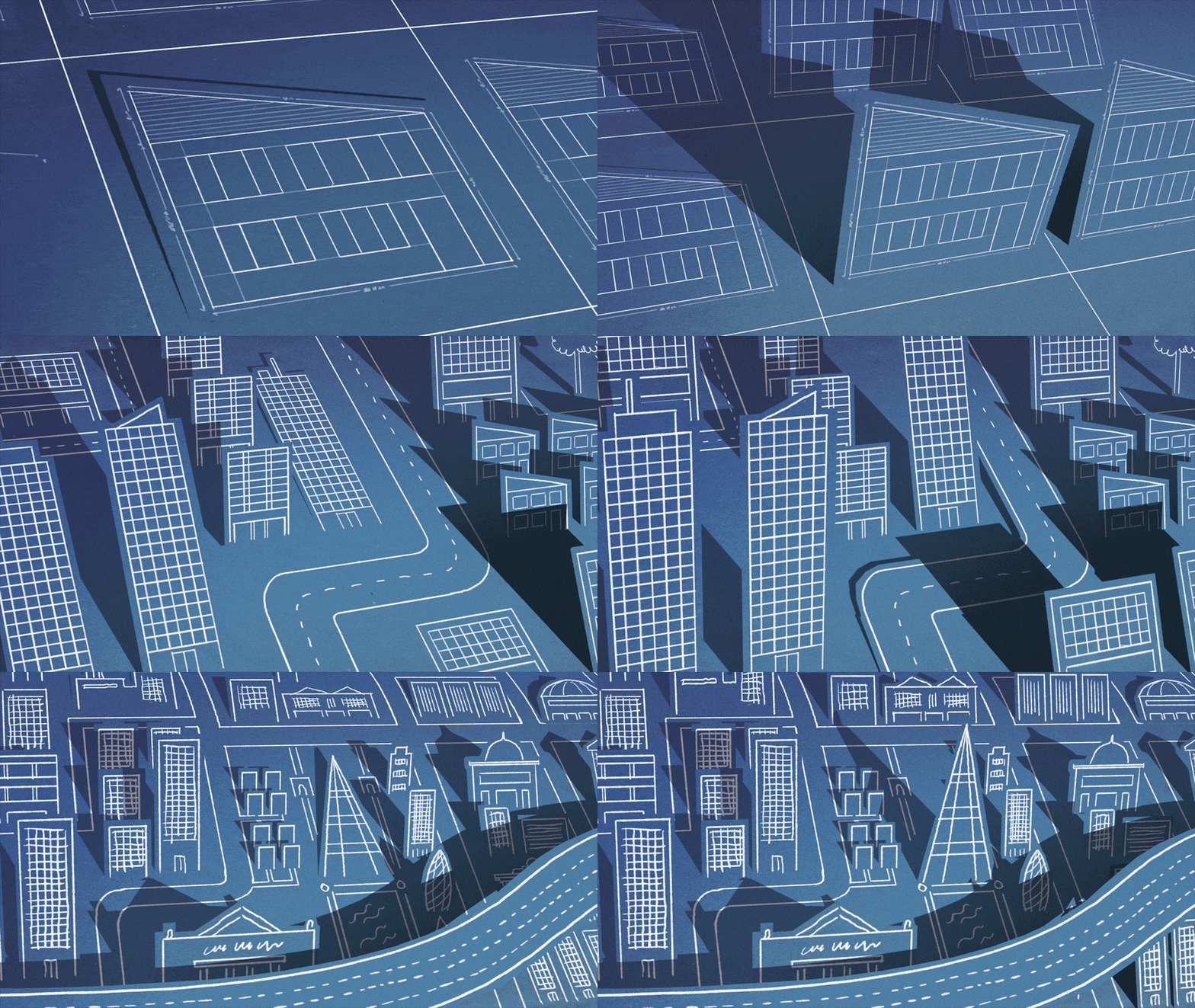
The display of a sequence of still images that creates the illusion of movement. The still images may be drawings, computer graphics, digital models or photographs of three-dimensional objects.
An intaglio printmaking technique that creates watercolour-like tone. A metal plate is sprinkled with powdered resin, heated and submerged in acid. Areas that aren't protected by resin are ‘bitten’ by the acid, creating recesses. The resin coating is removed and ink is rubbed into the recesses. Damp paper is then laid on the plate and run through a press that squashes them together and transfers the ink onto the paper.
The practice of accurately recording archaeological sites and objects. It can be used to visualise what a whole object may have looked like based on a found fragment of it.
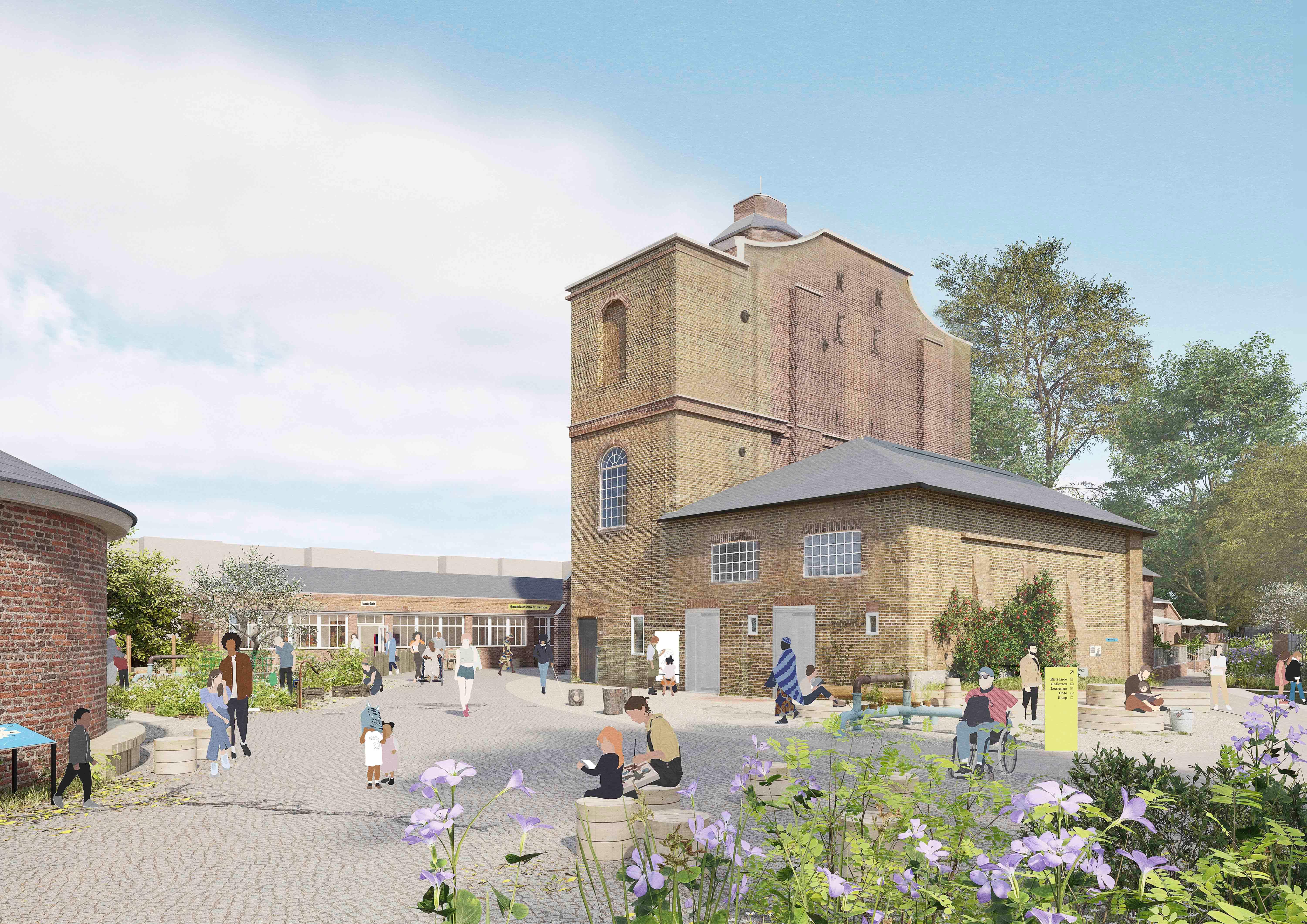
Used by architects and other people working on construction projects to communicate and develop their ideas. It includes elevations and plans, and impressions of what spaces and interiors will eventually look like.
A copy (or copies) of a print traditionally made so the artist could test and experiment with an image before multiple copies were made. Today it refers to any version of a print made outside its numbered edition.
An interactive experience that combines the real world and computer-generated content.
A person or group who begin or create something new. Often refers to a writer of a literary work.
A practice or project in which an illustrator directs the concept and output themselves, rather than working with a commissioner.
A story of someone’s life narrated by themselves. It may take a range of forms, such as a book, comic, letter or journal.
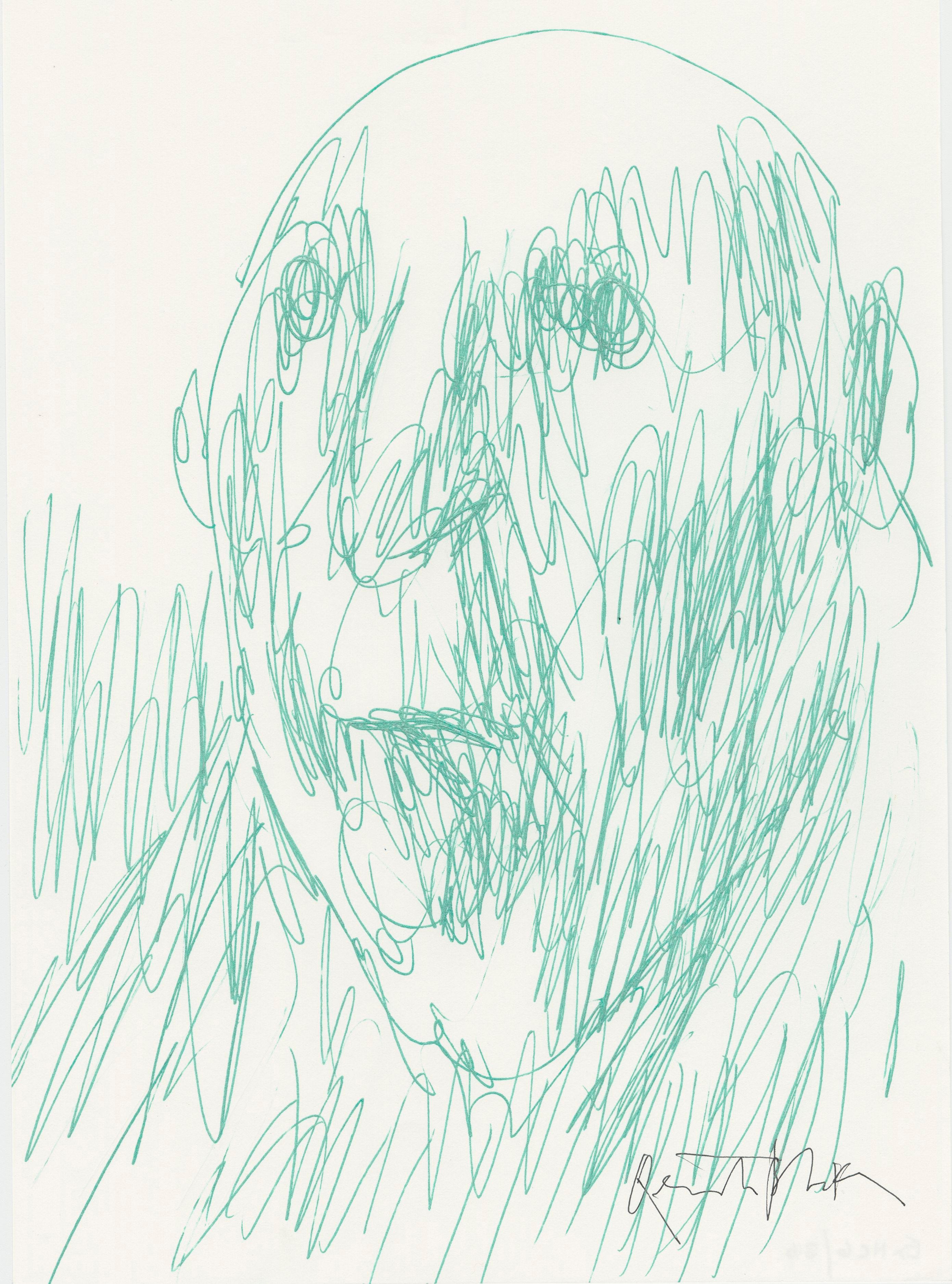
A pen containing an ink reservoir with small ball at its tip. When the pen is moved across a surface, the ball rolls ink onto it to create a line.
A printed area around the edges of an image that is designed to be cut off as part of the production process. Bleed ensures that if there are minute variations in the print or trimming process, the image will fully extend to the edges.
Usually a set of sheets of paper bound together on one side and set inside a cover. The sheets might be printed or hand-drawn. ‘Book’ can also refer to paper bound in a different way, a work made from something other than paper or a digital publication.
A tactile or visual image appearing in a book, usually as part of a sequence. ‘Book illustration’ has traditionally meant visual media that accompanies text to complement it, contrast with it or extend its meaning. Some book illustration does not accompany text. ‘Book illustration’ can also refer to the decoration of text.
The practice of visually documenting plant life, traditionally to create a scientific record of a plant or eco system and used to identify, categorise and compare species.
Describes an illustration that appears within a defined border.
A set of qualities that an entity (such as a company, collective, individual or organisation) aims to present to others using a variety of media.
A set of guidelines or instructions for a project, often given to an illustrator by a commissioner. It may include information about the intended audience for the project and the format for the illustration(s).
Graphics made with imaging software for art, film, printed media, simulators, videos and video games.
The process of creating handwriting that can be expressive or decorative. It is usually drawn in a fluid motion with a tool that can create different thicknesses of line by applying pressure or changing the angle of the drawing tool.
An image or three-dimensional work of a person or object with distorted or exaggerated elements.
A book with covers that fold back and are fixed together to create a series of three-dimensional scenes in a circle.
Can refer to: a satirical or humorous drawing; a comic strip; an animation with a visual relationship to comic strips; a preliminary version of a large-scale work, such as a mural.
An animation technique in which each frame is made by hand. Moving elements are painted on a series of clear celluloid sheets (‘cels’) that are laid on top of painted backgrounds and photographed. When the images are shown in a sequence, the images on the cels create the illusion of fluid movement.
A drawing material made from soft stone or earth in black, red and white. Coloured chalks are made from limestone, pigments and a binding agent.
A small and inexpensive book. Chapbooks featuring woodcut illustrations, popular tales and ballads were made across Europe in the 1400s
One of the earliest drawing materials, traditionally made by burning twigs. It creates a black mark that can be smudged.
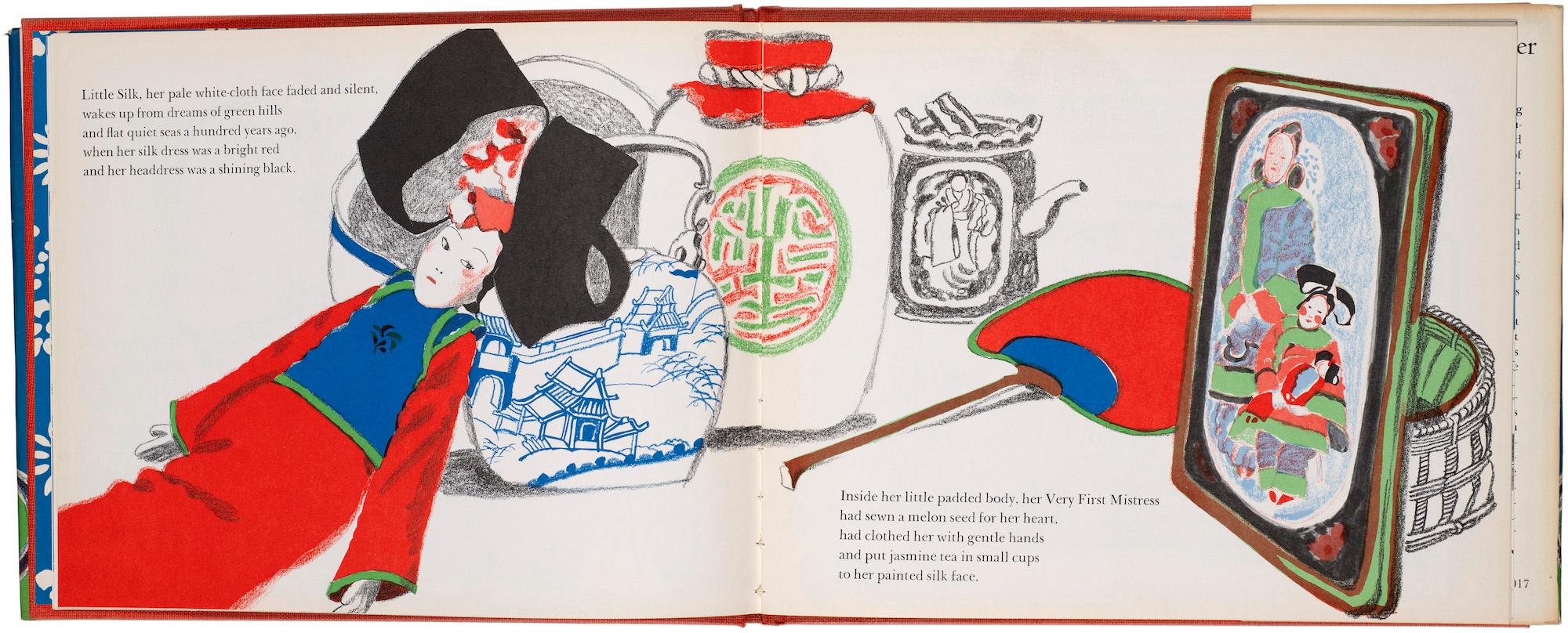
A book primarily intended for young readers.
A person or organisation commissioning an illustrator or designer to create a new work, usually for commercial purposes.
Technique in which pieces of paper and other materials are fixed to a supporting surface.
A group of creators working together to achieve a common objective.
A brief statement at the end of a book containing information about the publisher, and place and date of publication.
The appearance something has because of the way it reflects light.
A dry drawing material made from pigments or dyes mixed with fillers, synthetic resin and wax, often set in a wooden handle. Coloured pencil was developed in the 1800s.
A comic made up of a single row of panels, traditionally published in newspapers.
A medium for storytelling and conveying information. A comic comprises a sequence of two or more images, often contained by a border known as a ‘panel’. Images can be combined with text that often appears as captions or speech bubbles. Comics can appear in print, online and as three-dimensional works.
Something that makes, or intends to make, a profit. ‘Commercial illustration’ can refer to a work of illustration that itself makes a profit or supports a profit-making enterprise.
A request for the production of a new work (such as an illustration), usually to a particular specification and to meet a specific aim.
The purposeful organisation of elements like lines, shapes, colours and textures in a work of art.
The practice of developing plans for characters, settings and worlds, particularly for video games, comics, animation, theatre, and live action film and television.
A book made by folding paper or card with an accordion (zig-zag) pleat. Also known as a ‘leporello’.
A hard crayon made from graphite and coloured clay, usually in black, brown or red. Water can be added to it to create a wash.
A drawing material traditionally made from coloured chalk, but now often made with pigment combined with wax.
Any mark made on an artwork or digital file to indicate where the image should be cropped for production, particularly print production.
Using crossed parallel lines to create tone, usually in a drawing or etching.
The lowering of a surface to create an imprinted image, texture or pattern.
Can refer to: the process of developing an idea into a concept, experiment, image, film, plan, object, environment, service, experience or piece of software; a plan for the creation of something; the purposeful organisation of elements like lines, shapes, colours and textures in a work of art.
A version of an image produced using digital technology, often with a printer connected to a computer.
A drawing tool made up of a handle with a pointed nib at one end. The nib is dipped into liquid ink and channels a line of ink when it is moved across a surface. Applying pressure can create different thicknesses of line.
A piece of art made up of two sections that are sometimes joined together.
A piece of art or media that aims to capture or report on an aspect of reality.

Can refer to: the process of making marks and lines on a surface with any medium, such as pencil, ink, paint or digital tools; a work made by the drawing process, which may be a finished artwork, or a plan for the creation of something else.
An intaglio printmaking technique that creates sharp lines with fuzzy edges. A needle with a diamond on the tip is used to scratch a metal plate, creating sharp lines with excess metal at the edges (called 'burr'). The lines are filled with ink. Damp paper is then laid on the plate and run through a press that squashes them together and transfers the ink onto the paper.
An early version of a book made by its creator or publisher to plan and demonstrate the layout, text and/or images.
A set of identical prints, books or artworks made in the same way. A limited edition has a strict number of copies.
A person who directs the content of a newspaper or magazine, or someone who supports a creator to develop a concept into a finished work, such as a book.
The practice of creating images or other visual media for print or digital newspapers and magazines. Editorial illustrations usually interpret text-based articles on news, current affairs, culture, sport, travel or lifestyle.
A two-dimensional representation of one side of a building or space.
The raising of a surface to create an image, texture or pattern.
An intaglio printmaking technique that creates a crisp, precise line. Lines are scratched into a metal plate a tool with V-shaped blade (called a ‘burin’). The lines are filled with ink. Damp paper is laid on top of the plate and run through a press that squashes them together and transfers the ink onto the paper.
Material that was intended to be used for a limited period of time, such as posters, packaging and newspapers.
An intaglio printmaking technique that creates thin, fluid lines. A pointed tool is used to draw on a metal plate that has been coated with a thin layer of wax. When the plate is placed in acid, the drawn lines are incised (or ‘bitten’) by the acid. The coating is removed and the incised lines are filled with ink. Damp paper is laid on top of the plate and run through a press that squashes them together and transfers the ink onto the paper.
Illustration practice that exists outside established commercial contexts for illustration, such as advertising. It may involve an illustrator researching and working independently or collaborating with others. It may involve using illustration-related skills, such as distilling concepts, rather than creating images. It may result in the creation of applications, publications, events or installations.
Media, including illustration, that celebrates and explores a subject that the creator is passionate about. It may be related to a work of literary fiction, television show, film franchise, performer(s) or sportspeople but is not usually officially connected to these sources.
A publication about a subject the creator is passionate about. It may be related to a work of literary fiction, television show, film franchise, performer(s) or sportspeople but is not usually officially connected to these sources.
The practice of creating images or other visual media to communicate fashion-related ideas. These may include plans for the creation of garments, advertising assets and creative speculation.
A quick-drying ink pen with a tip made from compressed fibre.
Describes images or other media that references the real world, and especially the human form.
A version of an artwork that is ready to be published.
A brightly coloured substance or surface that absorbs ultraviolet light and reflects more light than it receives.
A specific style (such as bold or italic) and size (such as 12-point) of a typeface.
The shape or structure of something that may be an object in the real world or an element of a piece of media.
A decorative horizontal band at the top of a wall inside or outside a building.
An illustration or decorative image on one of the first pages of a book, sometimes opposite a title page.
A technique that involves rubbing pencil, graphite, chalk, crayon, or another medium onto a sheet of paper that has been placed on top of a textured object or surface, creating an impression of the texture. Also called ‘rubbing’.
A designed activity or experience in which a set of rules balances chance and/or the skills of other participants with the decisions of a player. These can take many forms such as board games or video games.
A reflective surface or finish.
A water-based matte paint made of ground pigments and a binder, such as gum Arabic. Has an opaque finish. White and coloured gouache is mixed to create lighter colours: this makes gouache different from watercolour, which is mixed with water to create lighter colours.
Text and/ or images painted directly on a public wall or other surface, usually without official permission.
The practice of using type, space, image, texture, motion and colour to create printed and digital media for a wide range of purposes.
A long-form work of sequential art that combines text and images, sometimes using the conventions of comics. Can take the form of a printed book, digital publication or installation-based work.
A metallic grey material used for drawing and writing, often compressed in a pencil, or sometimes as powder. In a pencil it is called ‘lead’. Real lead the poisonous element) was used in early pencils. Graphite was originally thought to be lead, but it is a form of carbon.
The practice of drawing letter symbols.
Colour applied manually, usually to a black-and-white photograph or print.
Picture books made in the late 1700s that were inspired by theatre and the stock pantomime character Harlequin. They had flaps that were lifted to reveal a new illustration or message.
Shading or filling in an area of an image with spaced parallel lines to create tone, usually in a drawing or etching. Crossed over sets of parallel lines are known as ‘cross-hatching’.
Can refer to: a sign (such as a graphic symbol) with a form that suggests its meaning or that represents something else; an image on a display screen that represents an app, an object (such as a file) or a function (such as the command to save); a sacred image, often a painting.
A range or system of symbols, images and/or objects that can represent a particular meaning.
Can refer to: the practice of creating an artwork or media that aims to communicate something specific. It may tell a story, convey information, act as a persuasive tool or create an identity for a concept; something made through illustration practice, such as an image.
The process of finding out something new or exploring an idea through illustration practice. It can involve researching a subject, audience, technique and/or production process.
Someone who practices illustration.
A person or small organisation that develops, produces, markets and distributes media such as books and magazines.
Black liquid ink made from fine particles of carbon (such as soot) combined with a binder (such as gum or shellac) and water. It is often used with a dip pen or brush and once dry it is opaque and indelible. It was called ‘Indian’ and ‘Chinese’ ink in Europe when it was first imported from Asia in the 1600s.
A visual representation of information or data. It may take the form of a chart, diagram or coded image.
The practice of presenting information or data in a way that is efficient and easy to understand.
Fluid (or paste mixed with water) used for writing, drawing, painting and staining. Often made from carbon and gum, it can also be made from plant and animal products. Waterproof inks dry to a glossy film; non-waterproof inks appear like watercolour and dry to a matt finish.
A reproduction of a digital image made by a contact-free printer that distributes droplets of ink over a surface, usually using four colours: cyan, magenta, yellow and black (CMYK). Inkjet printers were introduced in the 1980s and can print on a range of materials including paper, textiles, wood and metal.
An artwork that comprises visual, textual, tactile, aural, olfactory and/ or gustatory elements and the space they inhabit.
Describes any printmaking technique in which an image is produced by incising into a printing plate, as opposed to a flat surface (‘planographic’) or raised surface (‘relief’).
Can refer to: an image that has natural scenery as its main focus; the orientation of a rectangular artwork or sheet of paper, with the longer sides at the top and bottom.
A relief printmaking technique for printing letters, characters, numbers, punctuation marks and/or images that are cut from wood or cast from metal. The raised surface(s) of the letter(s) or image(s) have ink rolled onto them. They are then pressed onto paper, leaving the ink behind. Letterpress printing can produce multiple copies quickly. It was first used with movable type in China in around 1040 CE.
Creating an image of something that is directly in front of you, often a person.
A box with a light source inside it and a transparent surface for drawing. It can be used for tracing and other drawing processes.
A mark made when a brush, pen, pencil or other tool is moved across a surface.
A relief printmaking technique that can be use to create flat inked areas. A sheet of linoleum is carved with a knife or gouging tool, leaving a raised area (or ‘relief’). Ink is rolled onto the raised area which is then pressed onto paper or another surface, leaving the inked design behind. It is similar to woodcut, but linoleum is softer and so easier to carve than wood, and it can be carved in any direction. Linoleum was invented in the 1800s as a floor covering and was first used for printmaking in the 1900s.
A planographic printmaking technique based on oil resisting water. An image is applied to a grainy surface (stone or aluminium) with a greasy medium, which might be crayon or ink. A chemical mixture is then applied to the surface to bond the image to the plate. The surface is dampened with water which adheres only to the non-greasy areas around the image. Oily ink is rolled over the surface and sticks only to the greasy image area. Damp paper is pressed onto the surface, transferring the oily ink on the paper, creating a print that is a reverse of the original image. Lithography was invented in the late 1700s and made it possible to print a much wider range of marks, tone and colours than earlier relief or intaglio printmaking techniques.
A designed mark that is used by an entity such as a company, collective, individual or organisation to represent itself.
A logo that represents an entity with an image, icon or other more abstract representation of an entity. It does not usually include words.
A text-based logo based on the name or initials of an entity.
Often a representation of an area of land, sky or sea that highlights physical features such as mountains, planets or roads. A map can also represent a place using intangible references points, such as by charting emotions or memories. Maps are usually selective and/or subjective representations of a place. The earliest known map is a representation of the night sky in the caves of Lascaux in France that dates to 14,500 BCE.
Can refer to: an original artwork from which a poster is made; a model used to plan a large-scale sculpture or building.
Can refer to: means of communication that can reach large numbers of people in a short time such as social media, streaming, television, print and radio; types of public and private organisation that use these means to disseminate particular forms of expression such as newspapers, film studios and broadcasters.
The creation of large numbers of standardised products by using an automated process.
A non-reflective surface.
The practice of visually recording and disseminating scientifically accurate information related to anatomy, medicine, surgery, microorganisms, medical equipment and associated subjects. It has a wide range of applications, including training medical practitioners and supporting patients to communicate their needs.
Can refer to: material used to create a work of art; a binding material that holds pigment (such as oil in paint); an expressive form of art (such as drawing).
A very small publisher, sometimes run by an individual, that may print and bind its publications in-house.
The process of making duplicate prints using a mimeograph machine that pushes ink through a stencil. A stencil is made from paper and wrapped around a cylindrical drum of ink. The drum is rotated and paper is fed past it by turning a handle, transferring a stencilled image onto the paper.
Can refer to: an illustration in an ancient or medieval illuminated manuscript; a small painting.
A work of art or design made with more than one medium or method.
Can refer to: a three-dimensional representation of something, often of a larger object; a person who poses so that an artist can draw, photograph or represent them in another way.
Building up and shaping a soft material (such as clay, plaster or wax) to create a form.
An image or artwork in one colour, or different shades of the same colour.
A form of printmaking in which an image can only be made once. It differs from most other printmaking techniques that can produce multiple copies of a print. A monoprint can be made by combining a range of printmaking and other techniques, such as collage and hand-colouring. Printing plates and blocks may be inked in an expressive way that cannot be precisely replicated.
A printmaking technique that creates a unique image. A polished plate is painted with ink. Paper is pressed onto the plate, transferring the ink onto the paper.
An assembly of images and/or films that relate to one another and create a single work, usually based on a specific theme.
Individual letters, punctuation marks and other elements that can be reconfigured to create blocks of text to be printed on paper.
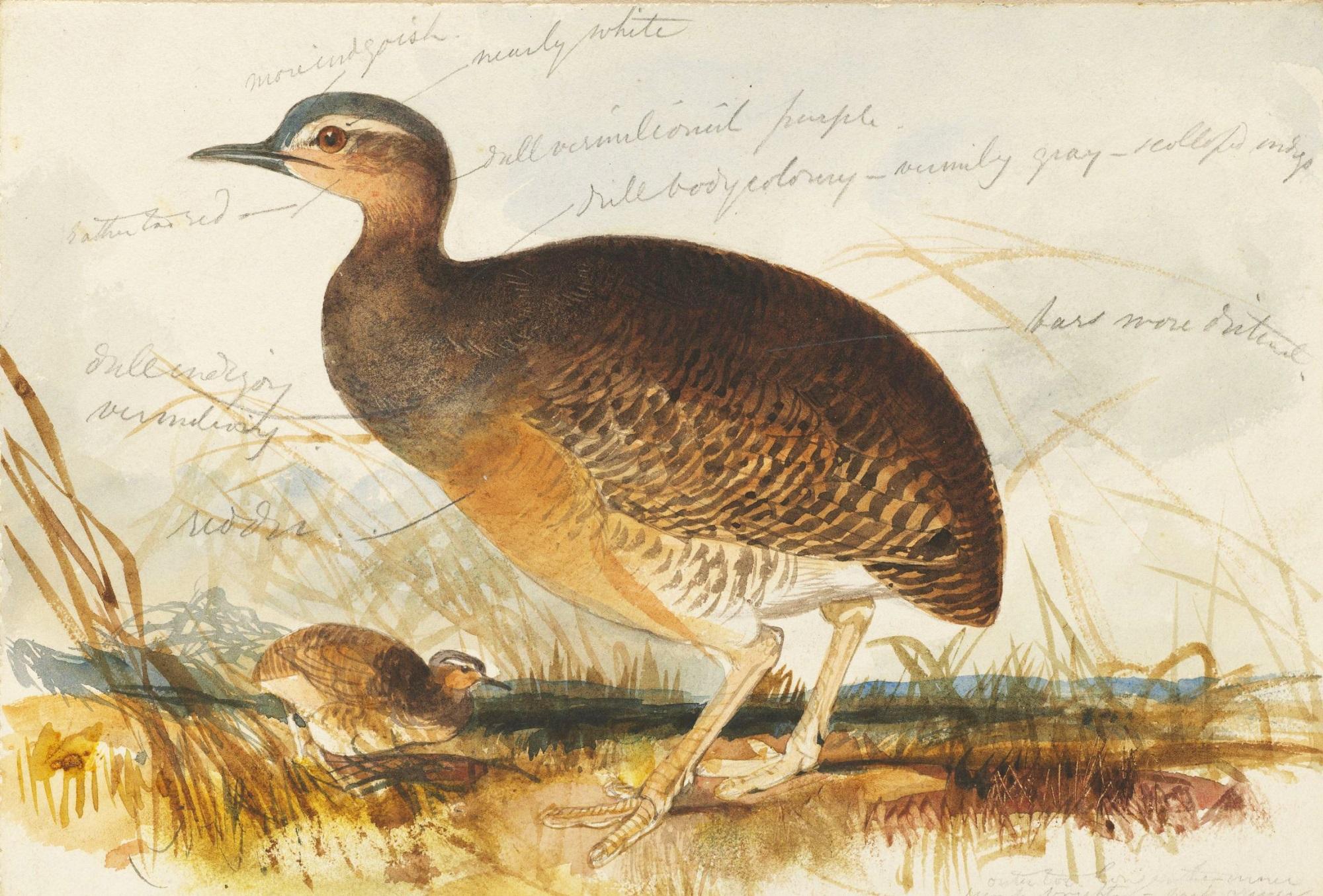
The practice of visually documenting the physical and natural world, traditionally to create a scientific record of animals or eco systems and used to identify, categorise and compare species.
Can refer to: a very bright or vivid shade of a colour; a form of lighting consisting of glass tubes filled with neon or other gases that emit coloured light.
A planographic printing method that is a variation of the printmaking technique lithography and based on oil resisting water. There are several types of offset lithography, but all involve ink being transferred from a printing plate onto an intermediate surface and then onto paper. This is different from lithography, in which ink is transferred directly from a printing plate to paper. An offset printing press has a series of rollers. An image is etched into a metal plate that is rolled into a cylinder. Water and oily ink are rolled onto the cylinder: ink adheres to the image area only. As the cylinder turns it transfers the ink onto a rubber cylinder known as a ‘blanket’, which rolls the ink onto paper being fed past it. Offset printing presses usually use four inks (cyan, magenta, yellow and black). Each colour is applied in a layer by a separate cylinder. Small dots of the four inks combine to create a wide range of colours. Offset lithography was developed in England in the 1870s, and is widely used today for producing large volumes of consistent printed material.
Pigment suspended in oil, such as linseed. It creates a rich opaque colour, and dries slowly over time. It can be thinned with spirits to help it dry more quickly and to create a matt finish.
Something that cannot be seen through.
Can refer to: the process of applying paint to a surface with a brush, palette knife, sponge or other tool; a work made by the painting process.
Can refer to: the selection of colours and/ or materials used in a piece of work, place or project; the selection of colours and/ or materials that a creator regularly uses; a flat surface for preparing and mixing paints.
A material made from matted plant fibres that is made into a sheet either by hand or by machine. It is usually has an absorbent surface and can be drawn, painted, collaged and printed on. It can have a rough or smooth texture and be made from linen, cotton, hemp, esparto (a course grass) and wood pulp. Papermaking as we know it today began in China in around 105 CE.
The process of designing pop-up three-dimensional forms, mechanisms and movable elements such as pull tabs, flaps and volvelles (wheels) from paper.
The practice of cutting images and designs from paper, often from a single sheet.
A drawing material made with pigment mixed with a binder and shaped into a stick. Soft pastel is made with chalk and gum and can used dry and blended with a finger or cloth. Hard pastel is made with less pigment and smudges less easily; it can create sharp, bright lines. Oil pastel is made with oil and wax and can be blended using a solvent.
Can refer to: a design made up of repeated elements; a template for making something.
A drawing and writing tool used with ink.
A drawing and writing tool. Early pencils were made from fragments of soft lead or natural graphite in a bone or wooden holder. Today, pencils are made from a wooden or plastic stick with a rod of graphite mixed with clay running through the centre, known as the ‘lead’. Pencil leads have a range of grades. Harder pencils have more clay and make light marks, softer pencils have less clay and make darker marks. Water soluble pencil lines can have water applied to create a colour wash.
An event that might include a range of actions and activities, usually with an audience observing or participating.
A magazine or newspaper published at regular intervals.
A xerographic print made by a photocopier. A drawing, print or object is placed on a glass plate. A drum underneath is charged with static electricity. An image of the item on the glass plate is transferred onto the drum with light: the light parts lose their charge and become more negative, the darker parts stay positively charged. Powdered black toner sticks to the positively charged areas and is transferred onto negatively charged paper. The toner powder is then melted and bonded onto the paper using heat and pressure rollers.
The process of creating an image by recording light, usually using a camera. Non-digital photographs are made by exposing light-sensitive film or paper to light, making a negative image (the areas exposed to light go dark). This can then be transferred onto photographic paper as a positive image (dark and light areas are swapped back). Digital photographs are made by exposing an electronic image sensor to light. An image is captured as millions of pixels, with information on the colour and brightness of each one stored as digital data.
An app with a range of tools for editing images and for creating original images by building up digital layers. It was launched by software company Adobe in 1987.
A graphic symbol that conveys meaning by resembling a real-world object. Early writing systems such as Sumerian Cuneiform and Egyptian hieroglyphs evolved from pictograms, and they are widely used today for such purposes as hazard signage, wayfinding and representing data.
A writing system made up of pictograms.
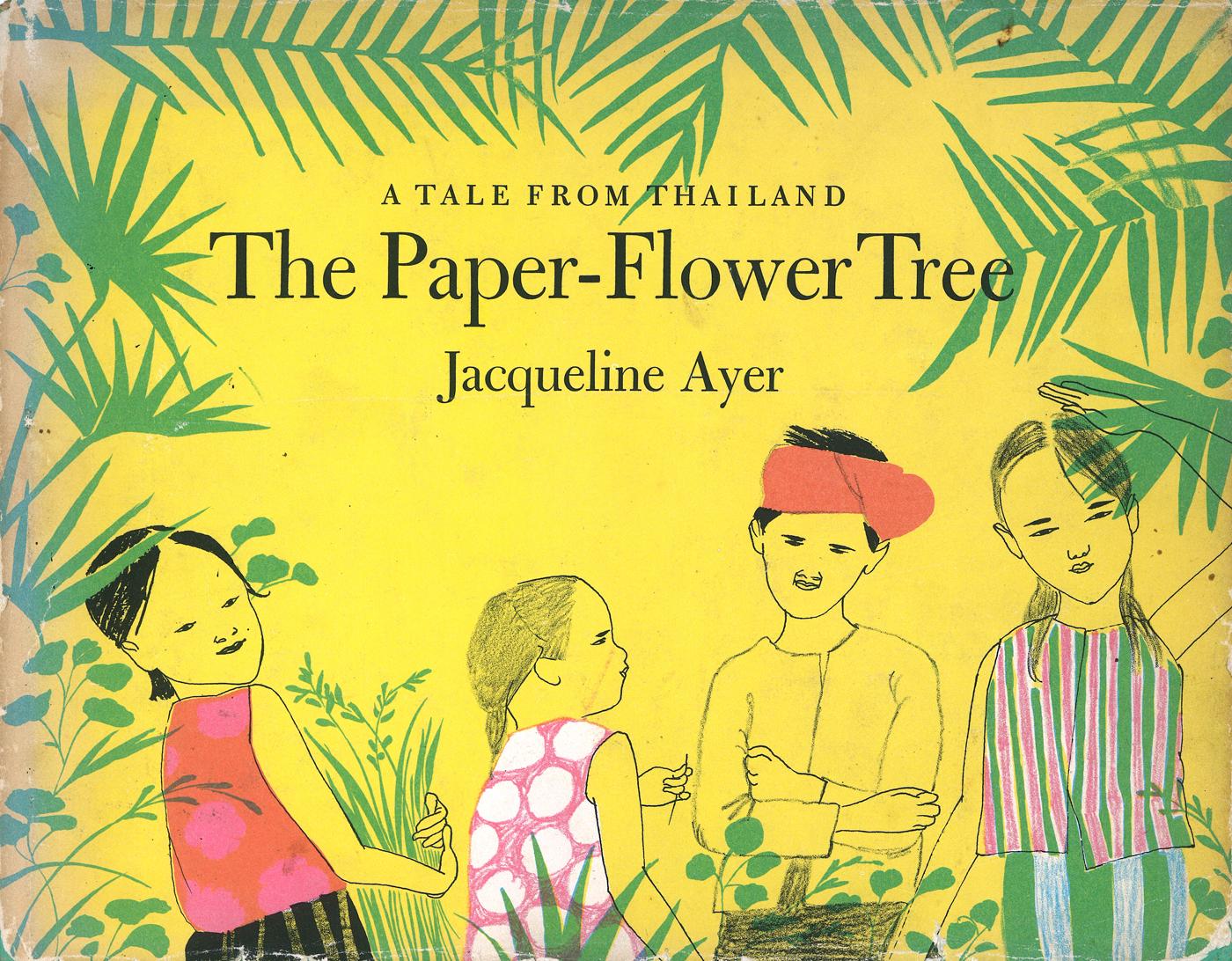
A book with series of sequential images and/ or visual design elements that tell a story or convey an idea. It may include short text(s), but the visual elements are essential to understanding its meaning.
A substance that is intensely coloured made from plants, earth or minerals and that may include synthetic elements. Pigments are ground and mixed with binder(s) to create materials such as paint, ink and crayons.
A printed or handmade notice or sign for public display, either fixed to a wall or carried during a demonstration.
Describes any printing technique in which an image is produced by printing from a flat surface, as opposed to a raised surface (‘relief’) or incised surface (‘intaglio’).
A technique named after the French word for ‘stencil’. A stencil is made by cutting a shape out of a thin sheet material such as paper, card, metal or plastic. The stencil is placed on a surface and used as a guide to apply paint or ink onto it by hand. Pochoir was practiced by specialist studios in Paris in the early 1800s who made multicolour prints, and added colour to black-and-white prints and book illustrations.
A book with three-dimensional elements that emerge as a page is turned. It can also be used to describe other books with paper engineering elements, such as transformations, flaps, pull tabs, and wheels (volvelles) that create movement on a page.
Can refer to: a physical or digital collection of works that an illustrator or other creator uses to represent themselves to other people, such as potential clients and collaborators; a group of prints focused on a common theme, usually housed in a box or folder and containing a title page and colophon.
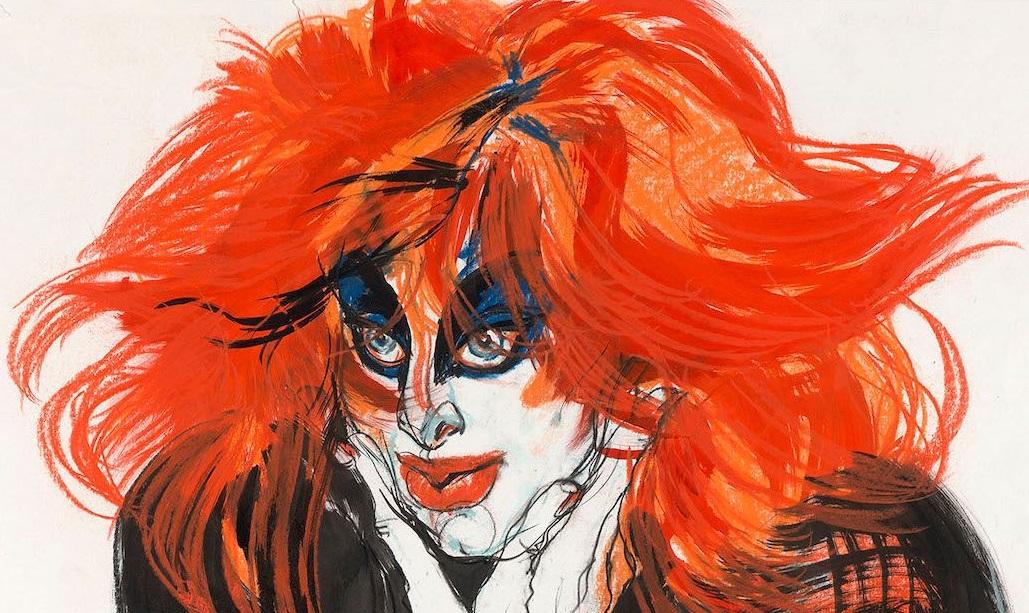
Can refer to: a representation of a particular person or people, usually intended to capture their likeness or personality; the orientation of a rectangular artwork or sheet of paper, with the shorter sides at the top and bottom.
A sheet with images, text and/ or other visual design elements, usually printed in multiples and intended for display in a public place. Posters are often used to temporarily promote an idea, instruction, product or event. They became a widespread form of mass communication from the 1800s with the development of lithography. Today, most posters are printed by offset lithography.
A sketch made to develop the design for another work, either to define how it will look or how it will function. A preliminary drawing for an illustration may look very similar to the finished illustration.
Red, yellow or blue. They cannot be made by a combination of any other colours. Secondary colours are made by combining two primary colours.
The process of creating an impression of an image, usually using a process that is repeatable so that multiple copies can be made. The impression made by any printing process is also known as a ‘print’. Prints can be made by manually transferring an image from one surface (such as a block of wood) to another (such as paper). They can also be made digitally, usually by connecting a computer to an inkjet printer.
An app that can be used to create digital images by drawing with a stylus on a tablet screen. The app has a wide range of pressure-sensitive brush effects and can build images in layers, as well as animating images.
A trial print used to check that images, text, textures, graphics and colours come out as expected before the final version is printed.
The process of developing, producing, marketing and distributing media such as books and magazines.
Can refer to: forms that are carved or moulded so that they project from a flat surface; the apparent projection of forms from a painting or drawing; any printmaking technique in which an image is produced by printing from a raised version of an image, as opposed to a flat surface (‘planographic’) or incised surface (‘intaglio’).
The reporting of real-world events, which may be by drawing, photography, written account or broadcast.
A technique in which layers of flat colour are printed using a RISO duplicator, a machine based on mimeograph technology developed by Japanese company RISO. A paper stencil is made from a black-and-white design and wrapped tightly around a cylindrical drum of coloured ink. This is rotated and has paper fed past it, leaving an impression of the stencil on the paper. One colour is printed per stencil: a print can be made up of several stencilled layers of different transparent inks.
An image made during the development of an illustration, sometimes used by illustrators to demonstrate their initial ideas to collaborators and commissioners.
A planographic printmaking technique that creates an image made up of flat layers of ink. First, a woven fabric is stretched tightly over a frame to create a screen. The non-printing areas on the fabric are blocked by painting on glue or lacquer, by applying adhesive film or paper, or by painting a light-sensitive resist onto the screen which is then developed like a photograph. Ink or paint is then forced through the non-blocked areas with a rubber blade, known as a squeegee, onto a surface beneath (such as paper). Several layers can be printed to create a multicoloured image. Screenprint is also known as ‘silkscreen’, because silk was originally used as the screen fabric. It is also known as ‘serigraphy’, which is used to refer to screenprints that are not made for commercial purposes.
A combination of two primary colours (yellow, blue or red). The secondary colours are: green (made by combining blue and yellow); orange (made by combining red and yellow); purple (made by combining blue and red).
A representation that someone makes of or about themselves.
The practice of a creator publishing their own work independently and at their own cost.
A group of works focused on a common theme, that might be by one creator, a collective or a group.
A form of performance in which flat articulated figures (‘shadow puppets’) or the bodies of the performers are moved between a light source and a translucent screen (‘scrim’) so that the audience sees their shadows. It is an ancient form of storytelling that originated in China, India and Indonesia.
Can refer to: the outer shape of an object; an outline, often filled in with colour; a profile portrait cut out from paper.
The quick creation of a drawing. It may be a finished work or a study for something else.
A book or pad with blank pages, used by illustrators to record observations and test ideas.
A small-scale publisher that develops, produces, markets and distributes media such as books and magazines. In the late 1800s and early 1900s, small presses in the UK were associated with experimental ideas and a focus on the craft of printing. Later, mimeograph and digital printing boosted small press publishing.
An image that usually appears without a border or background. They are usually simple in form and used in combination with other illustrations or paired with text.
A template used to draw, paint or print consistent letters, numbers, patterns symbols or shapes. A stencil is usually a thin sheet material with a shape cut into it. It is placed on a surface and pigment is applied to the surface through the hole, leaving a reproduction of the stencil.
A representation of natural and/ or human-made objects.
An animation technique that involves creating a series of still photographs of objects that are moved in small increments. When displayed in a sequence, the images create the illusion that the objects are moving independently.
A series of images used to plan a sequence for another work such as an animated or live action film.
Visual art designed for and installed in a public space, often without official permission. It takes a variety of forms including fly-posting, stencilling, stickers, freehand drawing and painting, projection and QR codes linked to digital media.
A work such as a drawing or painting made as part of the process of creating a finished work. They are used to plan specific elements, perspective, colour and composition.
Something that seems unreal or has a dreamlike feel.
An image or sign that represents something else, because of convention, association or resemblance.
Can refer to: a flat piece of stone, clay or wood that may have an inscription; a small portable computer that is operated via its screen, rather than a keyboard or mouse.
Can refer to: a small sketch that is used to quickly visualise an idea or plan a composition; a small version of an existing image.
Can refer to: a shade or variety of a colour; the process of adding colour to a photograph, print or drawing; the process of adding a small amount of pigment to a medium (such as paint) to change the colour.
A page close to the front of a book that includes information such as the title, author, publisher and date of publication, sometimes with an illustration.
The lightness or darkness of something.
Creating a copy of an image by laying a transparent piece of paper on top of the original and drawing over it. Tracing paper is made by soaking high quality paper in sulphuric acid.
Pages in illustrated books with tabs that can be pulled by the reader to change to a different scene.
Something that allows light to pass through it so that an object behind it can be seen.
A piece of art made up of three sections that are sometimes joined together.
A book made from a series of cut paper panels placed or hinged one behind the other, creating the illusion of depth.
A set of characters, letters, numbers and/ or punctuation marks with a shared design that is to be printed or used digitally. A typeface may vary in size, weight (such as bold), slope (such as italic) or width (such as condensed): each of these variations is a font.
The practice of designing, selecting and arranging typefaces.
Moving-image work that is recorded onto magnetic tape or digital formats, or made with image-processing tools.
Interactive software that is used for entertainment, role-play, storytelling and simulation. Players (or ‘gamers’) use an input device such as a joystick, controller, keyboard or motion sensor which generates feedback, which may be in a visual, audio or tactile form.
An illustration that appears in a book, usually with an irregular or undefined border.
The use of computer modelling and simulation that enables a person to interact with an artificial three-dimensional environment by using devices such as goggles, headsets, gloves or body suits.
Describes something related to seeing or sight.
The use of visual elements to convey information or an idea.
Can refer to: a system of communication that uses visual elements; the distinct characteristics of a creators work.
A chart made from a paper wheel that can be rotated to reveal or align different data points or images. They were developed by Arabic scholars in around 1000 CE and first used for astronomy and mathematical calculations.
Watercolour, ink or other pigment mixed with water to make it transparent. It is usually brushed onto paper over a broad area.
Paint made with finely ground pigments combined with gum and then thinned with water for use. Watercolours don’t include any white filler material and so they are transparent. When they are used on white paper, the paper shows through and creates a luminous effect.
A comic published online, sometimes as part of a series.
A comic published online with a vertical scrolling format.
A relief printmaking technique that can be use to create fine detail. A block of wood is carved with a sharp tool, creating a raised area (or ‘relief’). Ink is rolled onto the raised area which is then pressed onto paper or another surface, leaving the inked design behind. Wood engraving is different from woodcut: for wood engraving a piece of endgrain wood is used, which is very hard and smooth. This means that fine designs can be printed without any trace of wood texture. It was used in the 1800s to print images in books and newspapers because the hard wood meant the printing blocks were long-lasting.
A relief printmaking technique that can be use to create inked areas. A block of wood is carved with a knife, chisel or gouging tool, creating a raised area (‘relief’). Ink is rolled onto the raised area which is then pressed onto paper or another surface, leaving the inked design behind. Woodcut is different from wood engraving: in woodcut, the design is carved into the softer grain of the wood and the printed design may reproduce some of its texture. A woodcut print can be made up of multiple colours, printed in layers. It is the oldest printmaking technique, first used in China in the 800s.
A book with series of sequential images and/ or visual design elements that tell a story or convey an idea without text.