Queer as Comics
5 June – 1 November 2026
– Paul Gravett, Curator“Comics have a long tradition of being subversive: not solely art or literature but a combination of both to make their messages captivate readers. They lend themselves perfectly to queer themes as brilliantly showcased in the exhibition.”
Discover stories of fantasy, identity and resistance, as told by queer comic-makers in this first exhibition of its kind.
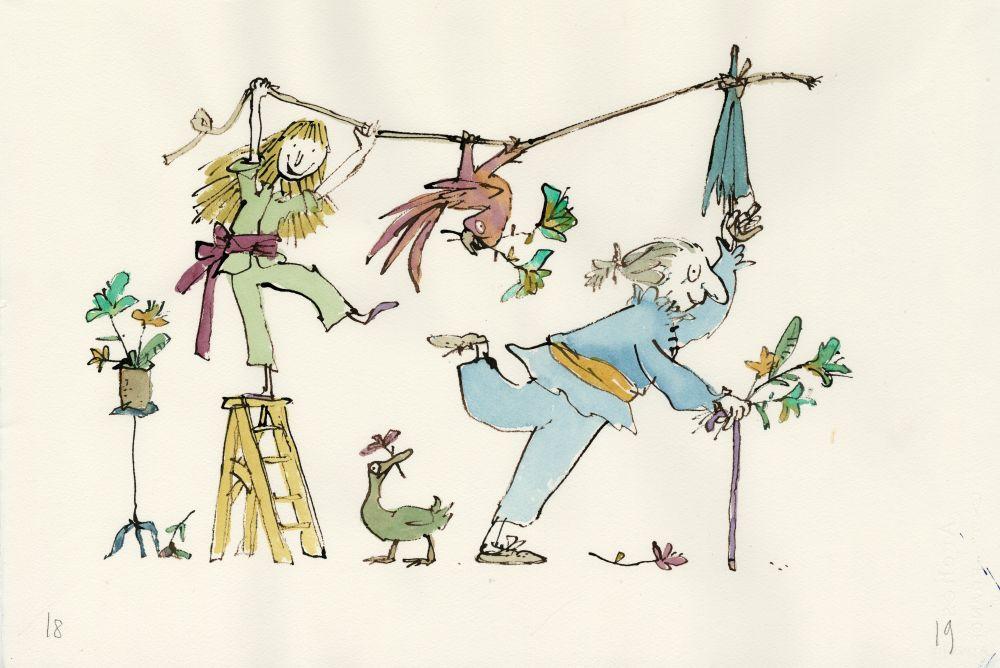
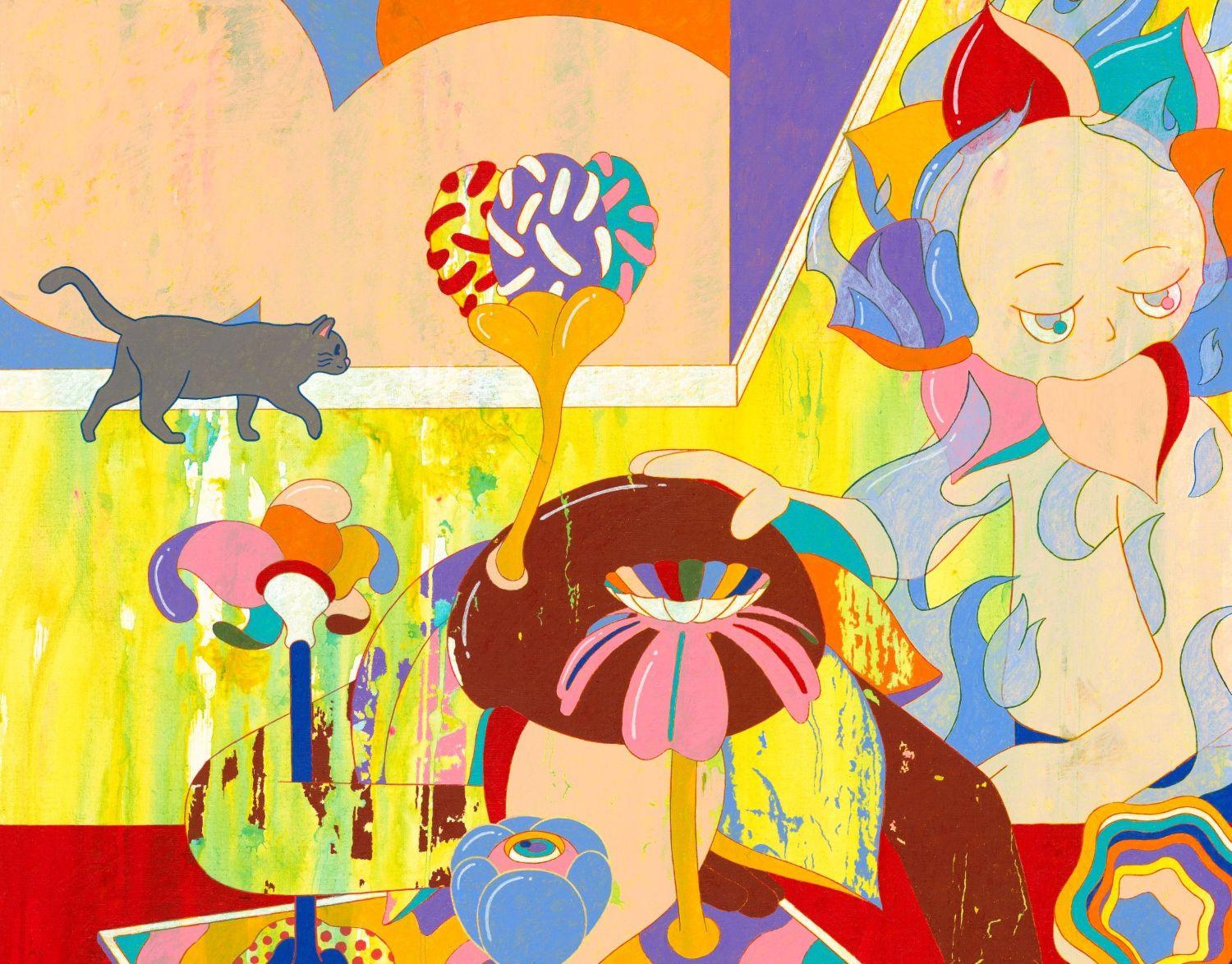
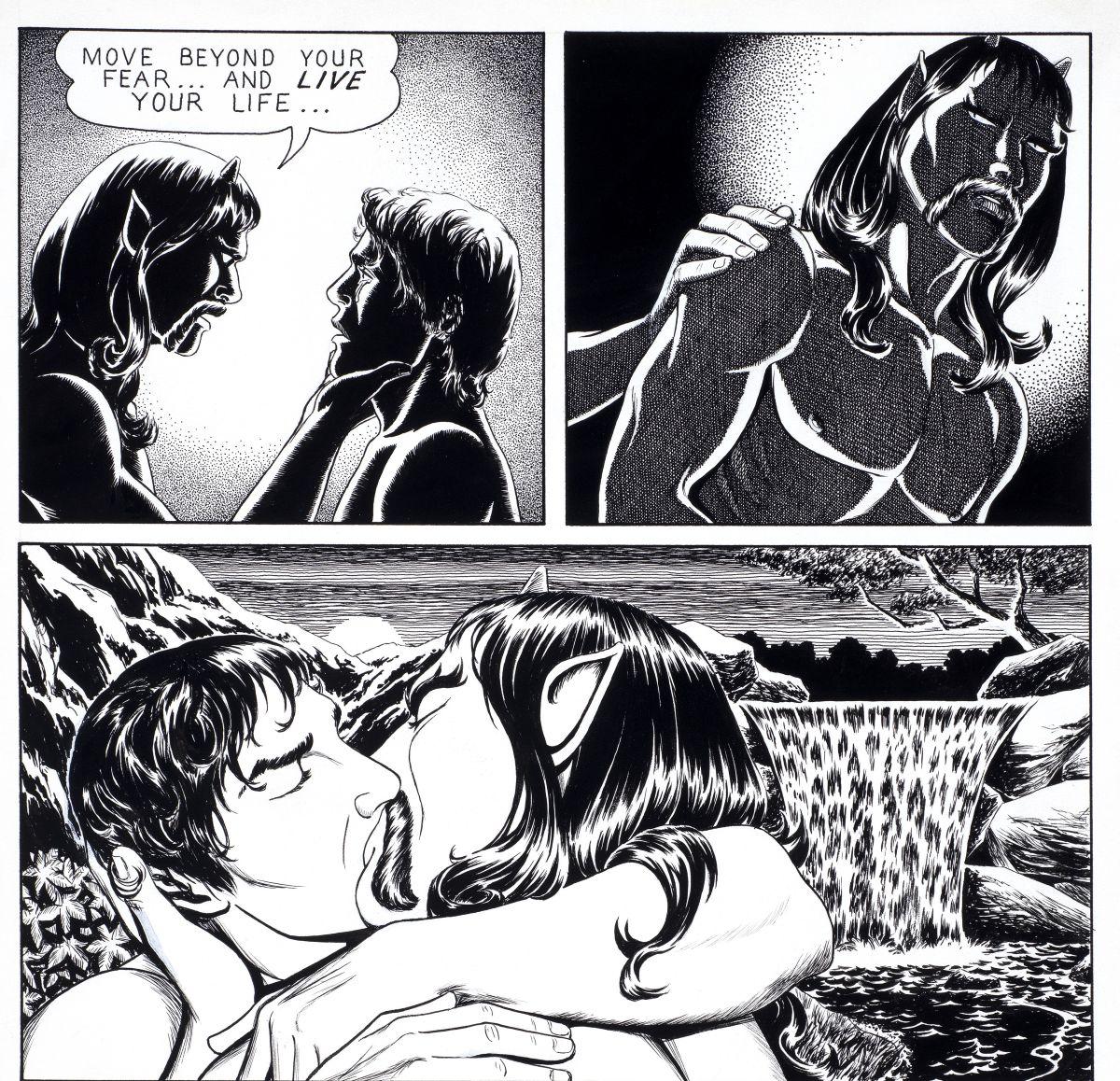
Queer as Comics traces comics, strip cartoons, graphic novels and zines that have represented LGBTQIA+ perspectives since the 1940s. From the UK’s first published gay comic strip and the first gay Black superhero, to today’s self-publishing scenes and webcomics, this is an exhibition of trailblazers.
For decades, queer artists have used comics to share impactful stories, often in defiance of censorship. With most artworks shown for the first time, the exhibition chronicles how comics have provided a voice for queer communities.
Highlights include drawings from Tove Jansson’s 1954 Moomin cartoon strip for the London Evening News and works by influential creators such as Kate Charlesworth, Rupert Kinnard and David Shenton.
In the decades following the UK's partial decriminalisation of homosexuality in the 1960s, a vibrant queer press developed, with comic creators satirising queer scenes and making urgent political statements.
Artwork on show addresses state power, discrimination and bold visions for the future, including Tom Robinson’s Living with the Big A (1987), made to advocate for gay rights during the AIDS epidemic. Pioneering graphic novelists include Alison Bechdel, Howard Cruse and Ariel Schrag.
Today, queer creators continue to expand the medium through ambitious graphic novels, self-publishing and more. Recent works include Anna Trench's tale of women's football and love in the early 20th century, Florrie, Jason Chuang’s poetic wordless comics and Lee Lai's award-winning story of love lost, Stone Fruit (2021).
Content information: themes
The work in this exhibition represents a range of perspectives, experiences and imaginations.
Some works include references to violence, oppression, discrimination, dysphoria and mental illness. Some respond to homophobia and transphobia.
Some works include swear words and discriminatory language. In some cases, creators have reproduced this language to report on their lives, or they have reclaimed derogatory words for themselves.
Some works reference or depict sex.
If you would like more information about the content of the exhibition, please contact a member of our exhibitions team.
Supporters:
Queer as Comics is supported by Cockayne Grants for the Arts, a Donor Advised Fund, held at The Prism Charitable Trust. BSL interpretation for Queer as Comics has been awarded by the Exhibitions Group. It has been created by guest curator Paul Gravett, supported by an Advisory Board with members including Leo Fox, Ollie Hicks, Rachael House and Seena Shamsavari.