Book
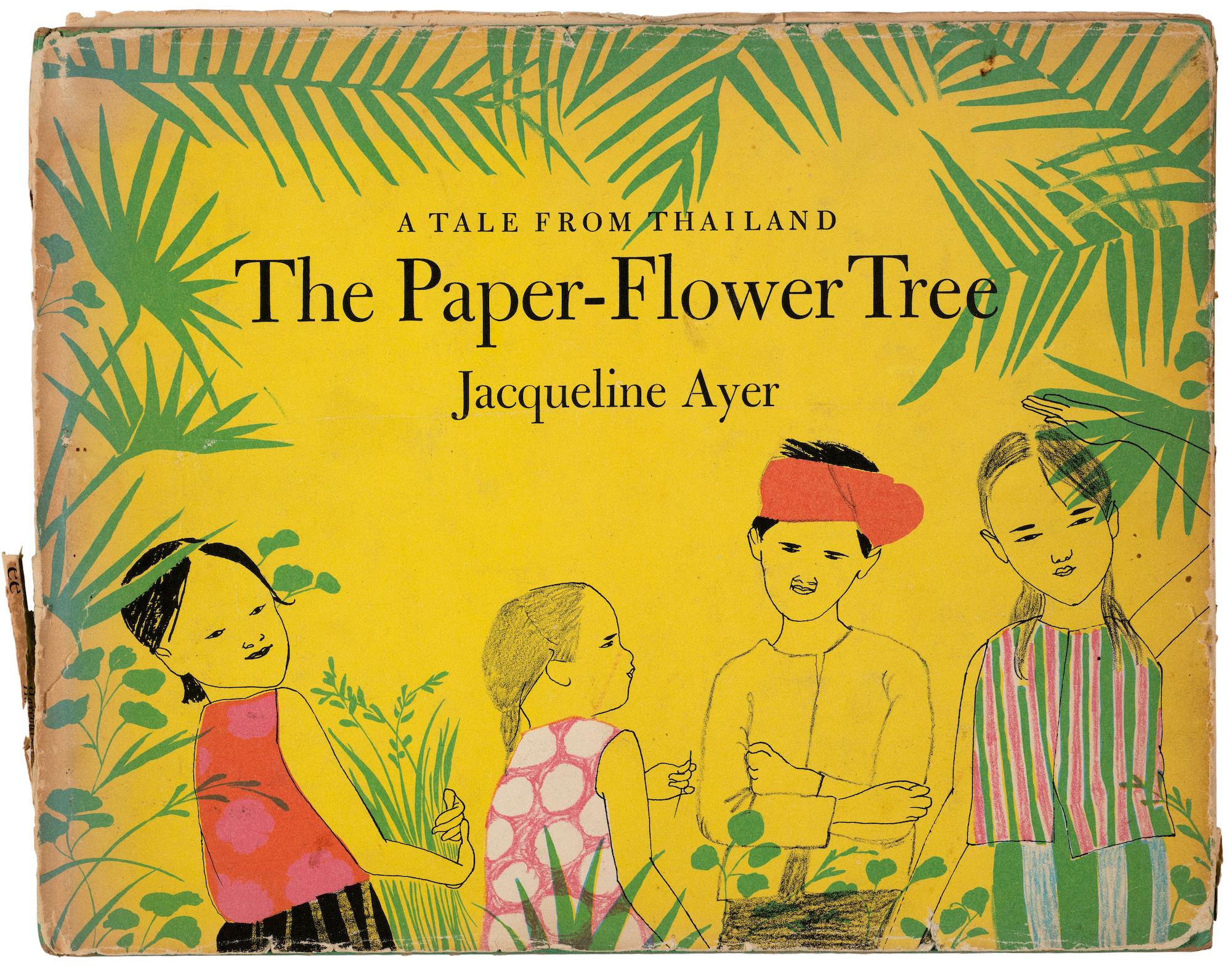
Jacqueline Ayer, The Paper-Flower Tree, 1962
Ayer’s eldest daughter, Margot, remembers the experience that inspired her mother’s second picturebook, The Paper-Flower Tree. Instead of buying one paper flower from a tradesman, her mother bought the entire tree – leaving Margot anxious that he would no longer have a livelihood.
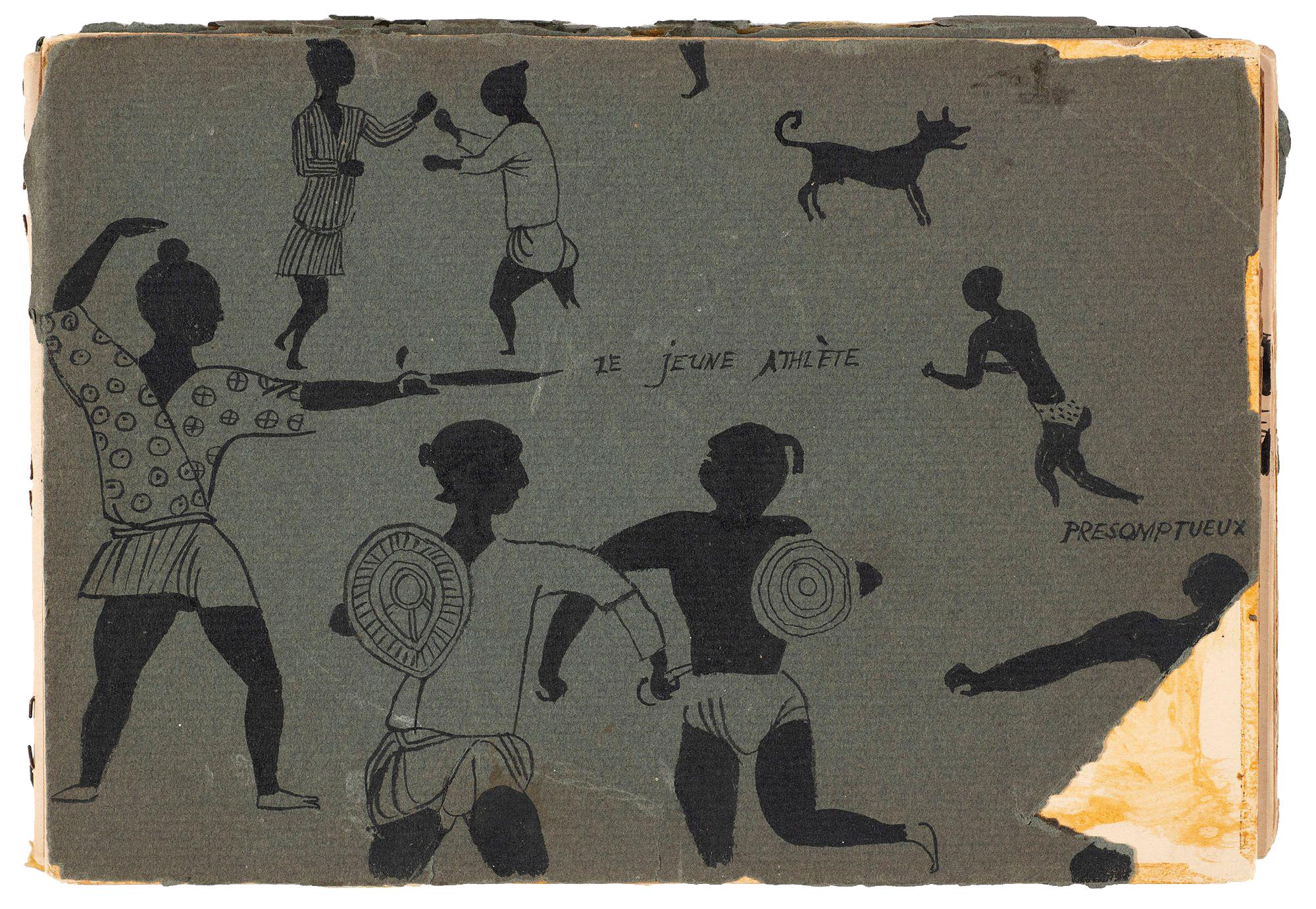
Jacqueline Ayer, Untitled (Handmade book for Charli), c. 1954
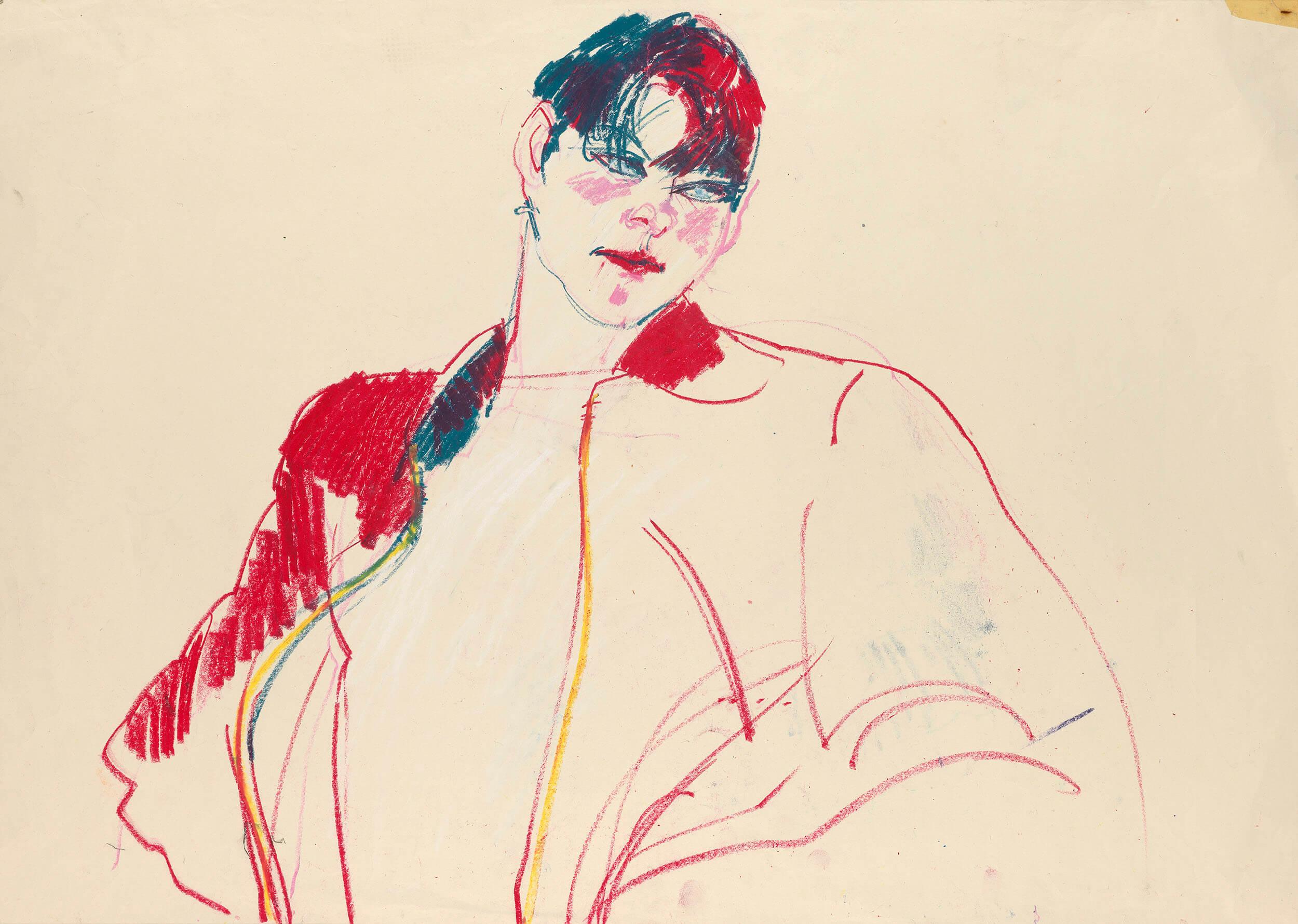
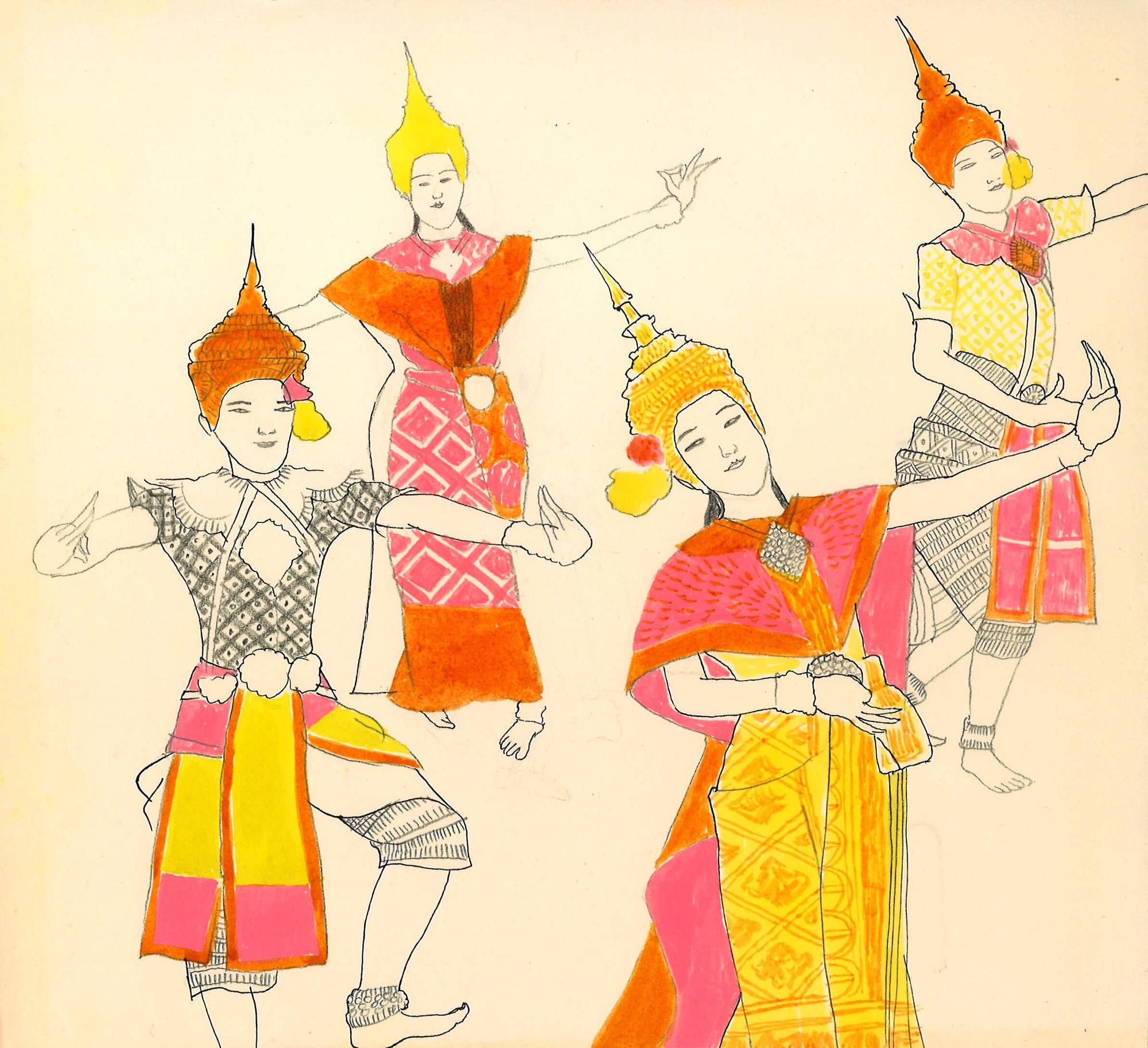
Jacqueline Ayer (1930–2012) had a career that spanned many creative fields. She began as a fashion illustrator, and later turned her hand to children’s books, textiles and garments, as she worked in New York, Paris, London, Bangkok, Hong Kong and across India. As a child and throughout her artistic career, Ayer experimented with book layouts, bringing images together in a sequential format as she made gifts for friends and family.
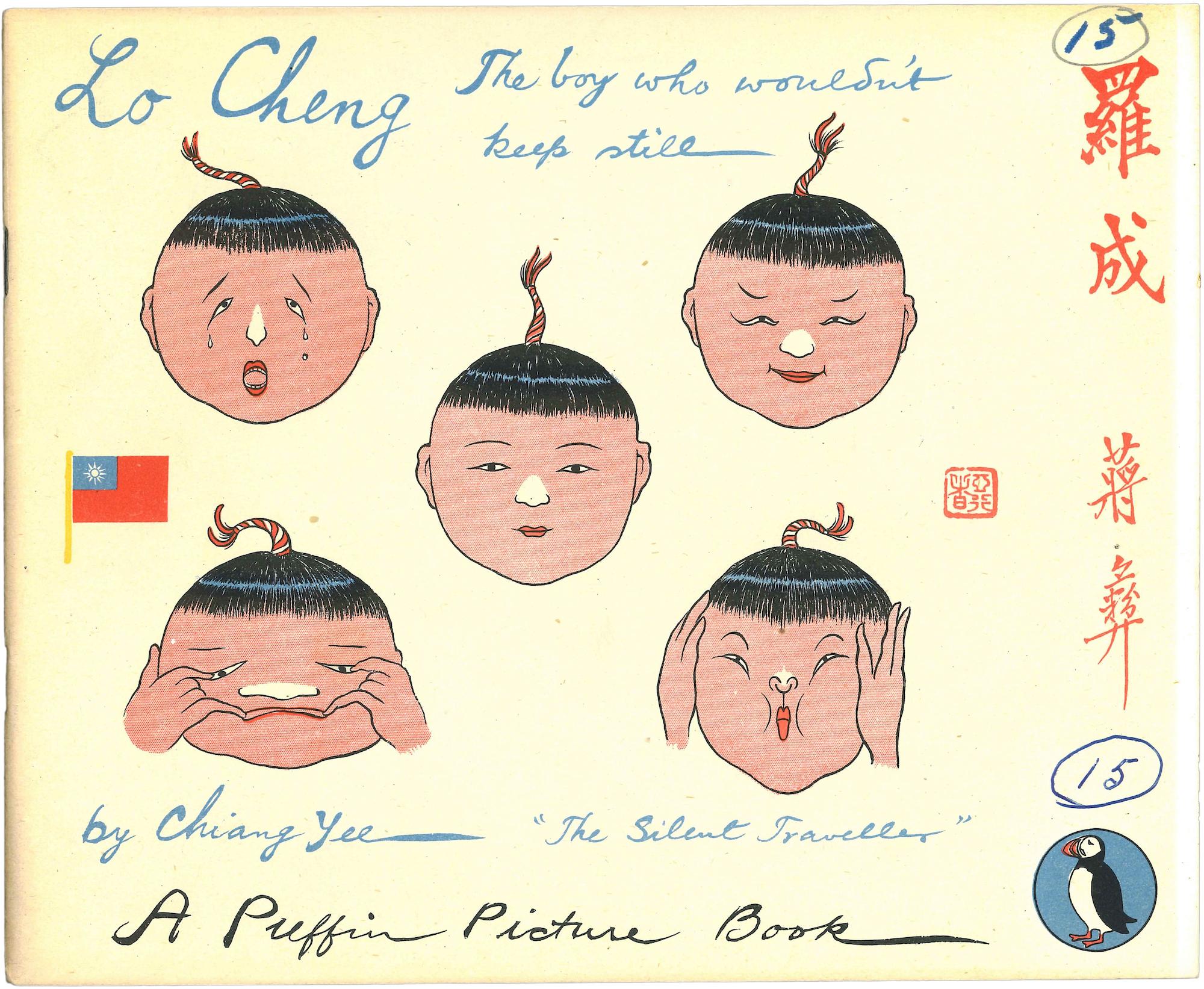
Lo Cheng, The boy who wouldn’t keep still, 1942
The Puffin Picture Books series was established by designer and editor Noel Carrington (1895-1989). In 1933, artist Pearl Binder (1904-1990) sent Carrington a package of Soviet children’s books. “They were produced by the million on very cheap paper, but the drawings were vigorous and the colour delightful” he later remembered. These books inspired Carrington to edit a series of affordable books that would encourage “the child’s awakening interest in its surroundings... I felt that colour was essential, and that artists could... be more successful in books of this nature than the camera”. Many artists and illustrators worked on the series, adapting their ways of working to lithographic printing and the Puffin Picture Book format. Most of the 120 books in the series were printed on one large sheet of paper: one side in colour and one in black-and-white. Each sheet was cut, folded and stapled to create a softcover book.
![Teremok [The cabin]](https://cdn.sanity.io/images/n83t80i6/production/f9ec00295d1de824a94cc9766b91be8edf5b57ff-1624x2000.jpg?auto=format&fit=max&q=75&w=1624)
Evgenii Charushin , Teremok [The cabin], 1931
Evgenii Charushin (1901-1965) was an illustrator and author, known for his children’s books on nature and animals. He said, “More than anything else, I love to depict young animals, touching in their helplessness and interesting, because within them one can already see signs of the full-grown beast.” This book is a cumulative story about a hole in an oak tree that is inhabited by a series of different animals as it gets bigger. It was published in Leningrad (Saint Petersburg), Russia at a time when children’s books became a mass media phenomenon. Over a ten-year period, almost 10,000 titles were published in several editions of up to 200,000. Many of these books took experimental approaches to storytelling, design and layout.
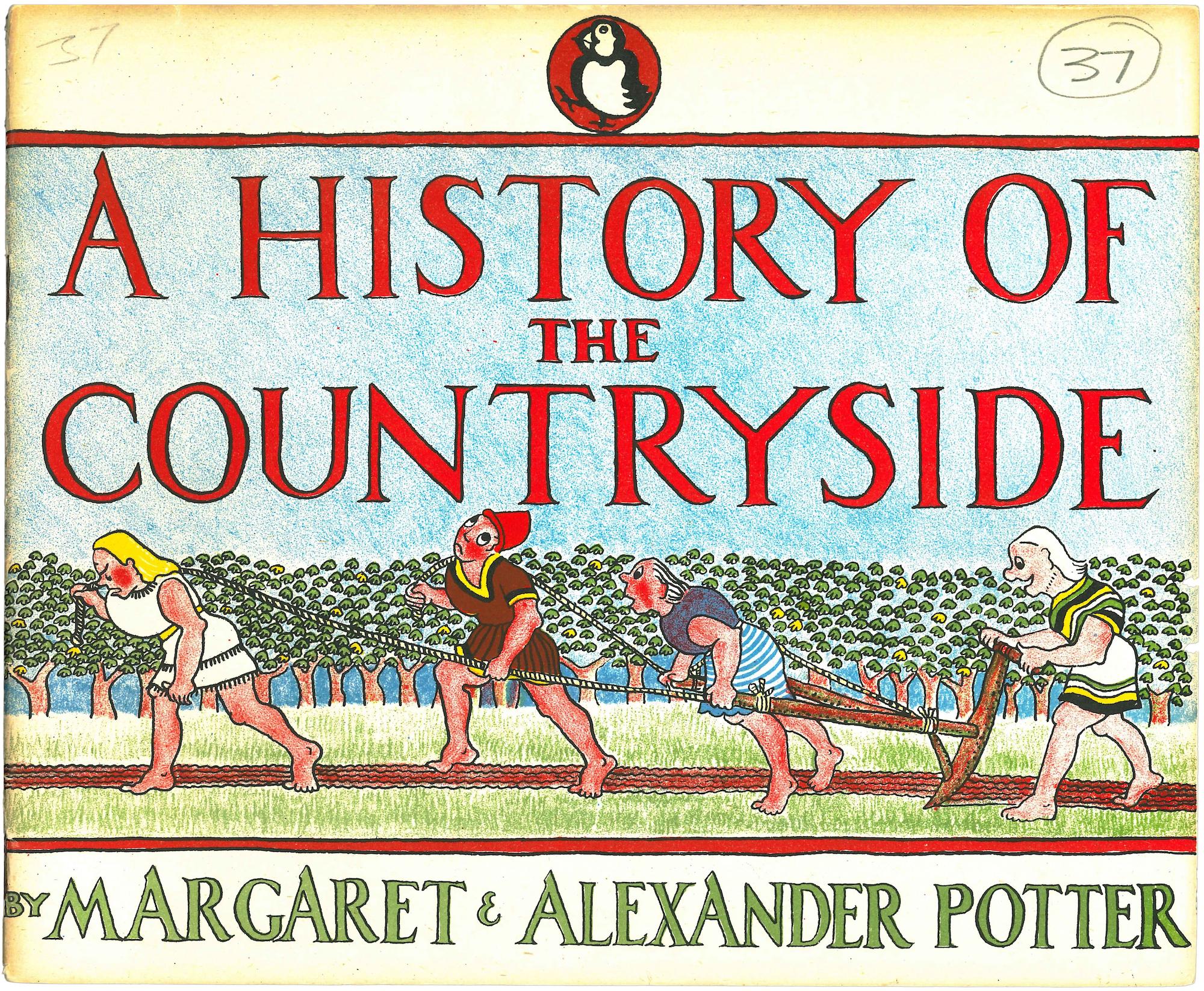
A History of the Countryside, 1944
The Puffin Picture Books series was established by designer and editor Noel Carrington (1895-1989). In 1933, artist Pearl Binder (1904-1990) sent Carrington a package of Soviet children’s books. “They were produced by the million on very cheap paper, but the drawings were vigorous and the colour delightful” he later remembered. These books inspired Carrington to edit a series of affordable books that would encourage “the child’s awakening interest in its surroundings... I felt that colour was essential, and that artists could... be more successful in books of this nature than the camera”. Many artists and illustrators worked on the series, adapting their ways of working to lithographic printing and the Puffin Picture Book format. Most of the 120 books in the series were printed on one large sheet of paper: one side in colour and one in black-and-white. Each sheet was cut, folded and stapled to create a softcover book.
![Raznye Zveri [Different Beasts]](https://cdn.sanity.io/images/n83t80i6/production/4842f601d9ba1427cd6013f75b3d855946b271f9-1795x2381.jpg?auto=format&fit=max&q=75&w=1795)
Evgenii Charushin , Raznye Zveri [Different Beasts], 1931
Evgenii Charushin (1901-1965) was an illustrator and author, known for his children’s books on nature and animals. He said, “More than anything else, I love to depict young animals, touching in their helplessness and interesting, because within them one can already see signs of the full-grown beast.” This book shows a series of animals found in Russia. It was published in Leningrad (Saint Petersburg) at a time when children’s books became a mass media phenomenon. Over a ten-year period, almost 10,000 titles were published in several editions of up to 200,000. Many of these books took experimental approaches to storytelling, design and layout.
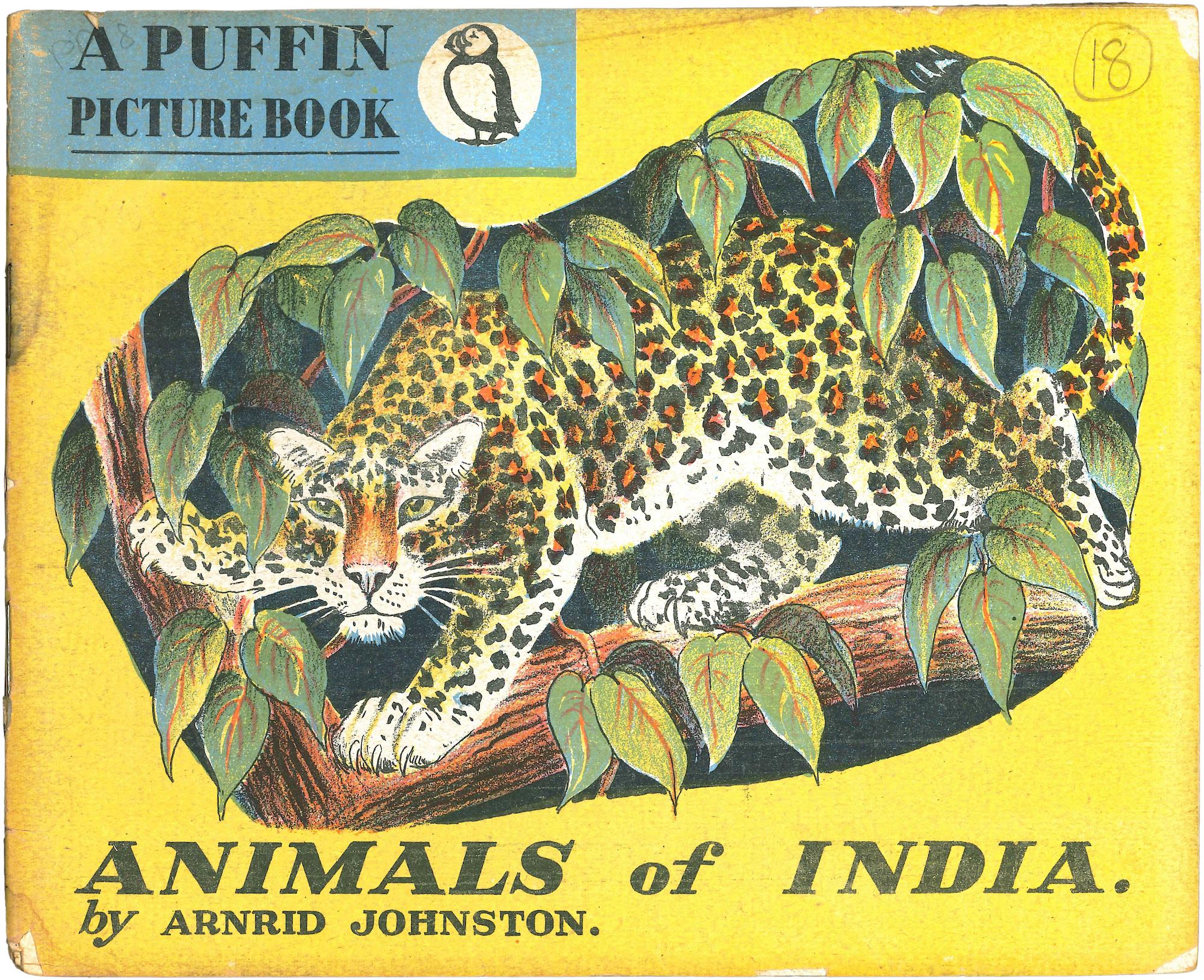
Animals of India, 1942
The Puffin Picture Books series was established by designer and editor Noel Carrington (1895-1989). In 1933, artist Pearl Binder (1904-1990) sent Carrington a package of Soviet children’s books. “They were produced by the million on very cheap paper, but the drawings were vigorous and the colour delightful” he later remembered. These books inspired Carrington to edit a series of affordable books that would encourage “the child’s awakening interest in its surroundings... I felt that colour was essential, and that artists could... be more successful in books of this nature than the camera”. Many artists and illustrators worked on the series, adapting their ways of working to lithographic printing and the Puffin Picture Book format. Most of the 120 books in the series were printed on one large sheet of paper: one side in colour and one in black-and-white. Each sheet was cut, folded and stapled to create a softcover book.
![Snezhnaia kniga [The Snow Book]](https://cdn.sanity.io/images/n83t80i6/production/ac7aa5362234ac30d32360d4ee86c8ab5be0d685-2000x2732.jpg?auto=format&fit=max&q=75&w=2000)
Nikolai Tyrsa, Snezhnaia kniga [The Snow Book], 1926
Nikolai Tyrsa (1887-1942) was an illustrator and designer. This book follows a hare evading a fox, only to be caught by an owl. It was published in Leningrad (Saint Petersburg), Russia at a time when children’s books became a mass media phenomenon. Over a ten-year period, almost 10,000 titles were published in several editions of up to 200,000. Many of these books took experimental approaches to storytelling, design and layout.
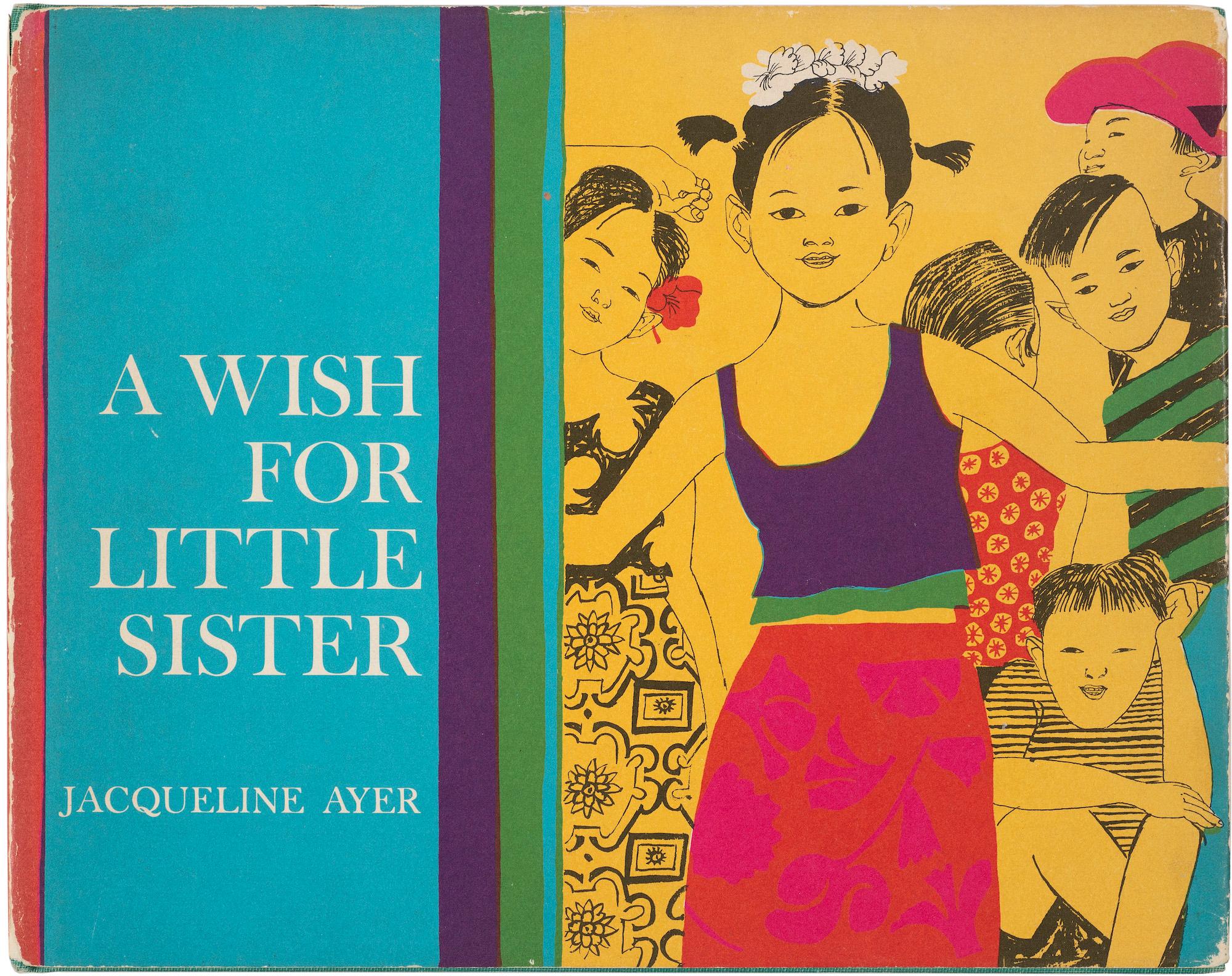
Jacqueline Ayer, A Wish for Little Sister, 1960
Jacqueline Ayer (1930–2012) had a career that spanned many creative fields. She began as a fashion illustrator, and later turned her hand to children’s books, textiles and garments, as she worked in New York, Paris, London, Bangkok, Hong Kong and across India. In 1957, Ayer began working for designer Jim Thompson at his company Thai Silk. This experience fed into her book, A Wish for Little Sister, a story about a little girl from a weaving family who receives a birthday wish from a mynah bird. ‘Jim invited me to sketch from the back steps of his new house… A busy canal oozed by at the foot of the steps, and about fifteen feet across the water traffic, was a weaving village. It was noisily busy with the varied occupations of spinning, dyeing and weaving, laid out, it seemed, for me.’ - Bet Ayer
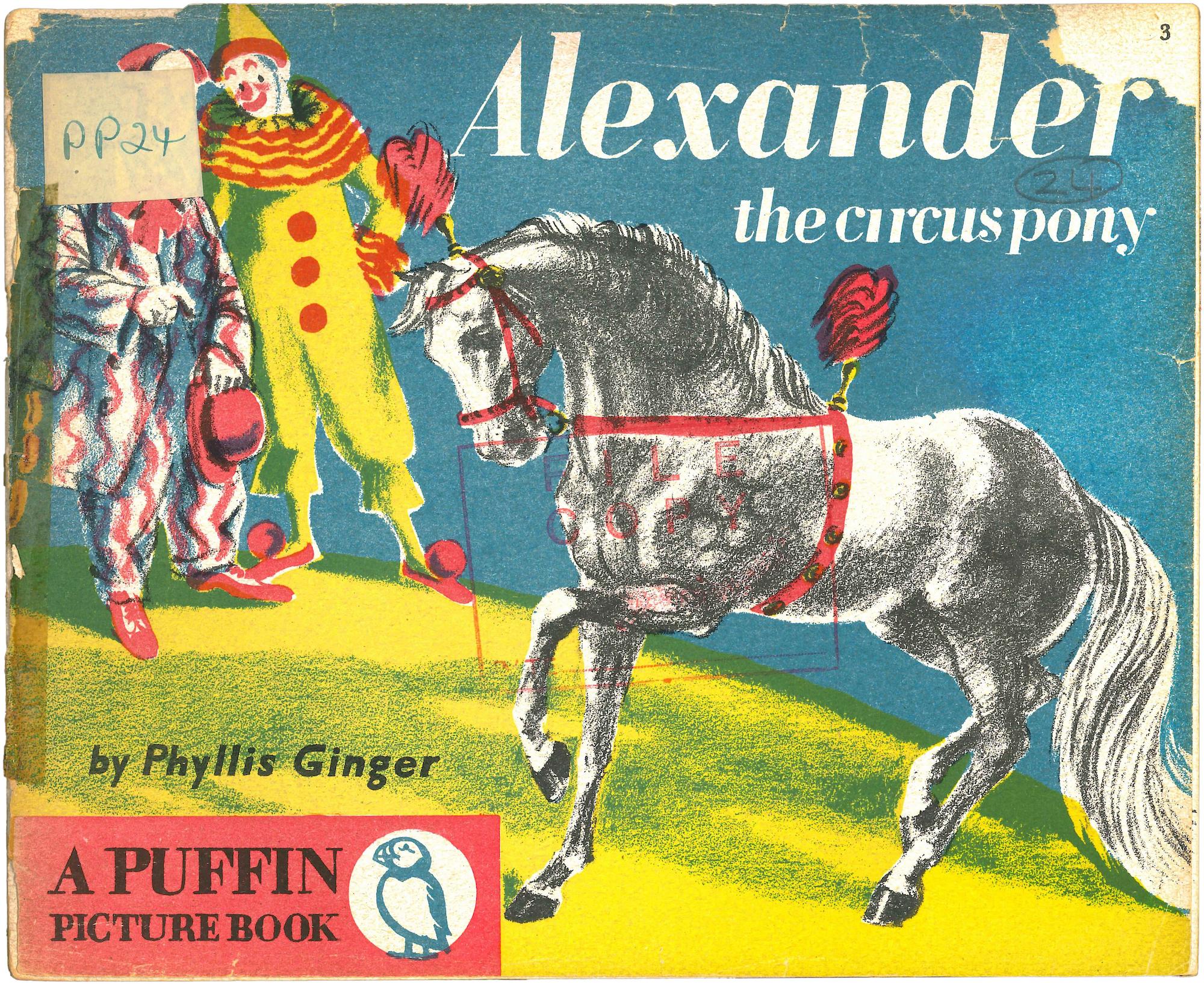
Alexander the circus pony, 1943
The Puffin Picture Books series was established by designer and editor Noel Carrington (1895-1989). In 1933, artist Pearl Binder (1904-1990) sent Carrington a package of Soviet children’s books. “They were produced by the million on very cheap paper, but the drawings were vigorous and the colour delightful” he later remembered. These books inspired Carrington to edit a series of affordable books that would encourage “the child’s awakening interest in its surroundings... I felt that colour was essential, and that artists could... be more successful in books of this nature than the camera”. Many artists and illustrators worked on the series, adapting their ways of working to lithographic printing and the Puffin Picture Book format. Most of the 120 books in the series were printed on one large sheet of paper: one side in colour and one in black-and-white. Each sheet was cut, folded and stapled to create a softcover book.
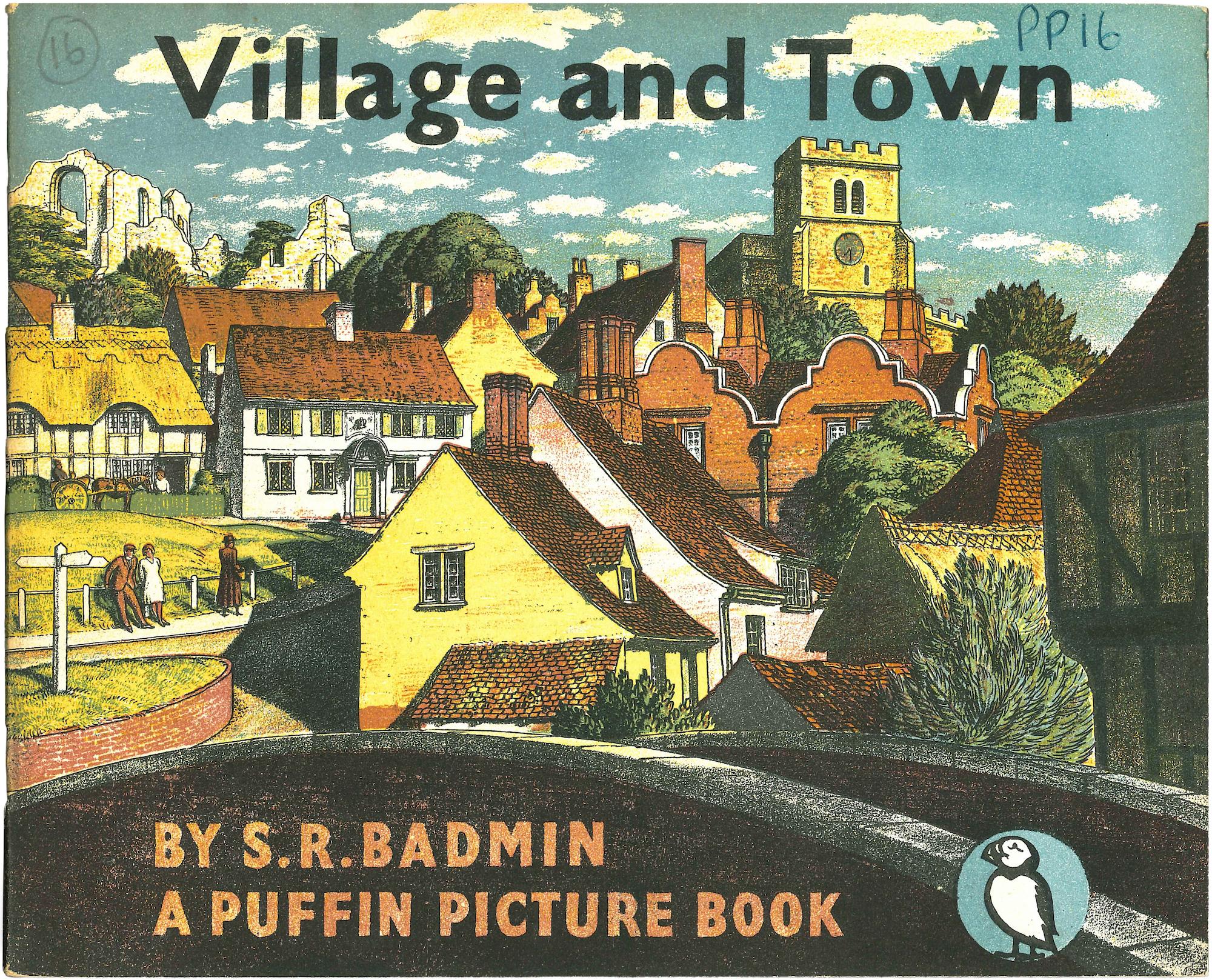
Village and Town, 1942
The Puffin Picture Books series was established by designer and editor Noel Carrington (1895-1989). In 1933, artist Pearl Binder (1904-1990) sent Carrington a package of Soviet children’s books. “They were produced by the million on very cheap paper, but the drawings were vigorous and the colour delightful” he later remembered. These books inspired Carrington to edit a series of affordable books that would encourage “the child’s awakening interest in its surroundings... I felt that colour was essential, and that artists could... be more successful in books of this nature than the camera”. Many artists and illustrators worked on the series, adapting their ways of working to lithographic printing and the Puffin Picture Book format. Most of the 120 books in the series were printed on one large sheet of paper: one side in colour and one in black-and-white. Each sheet was cut, folded and stapled to create a softcover book.
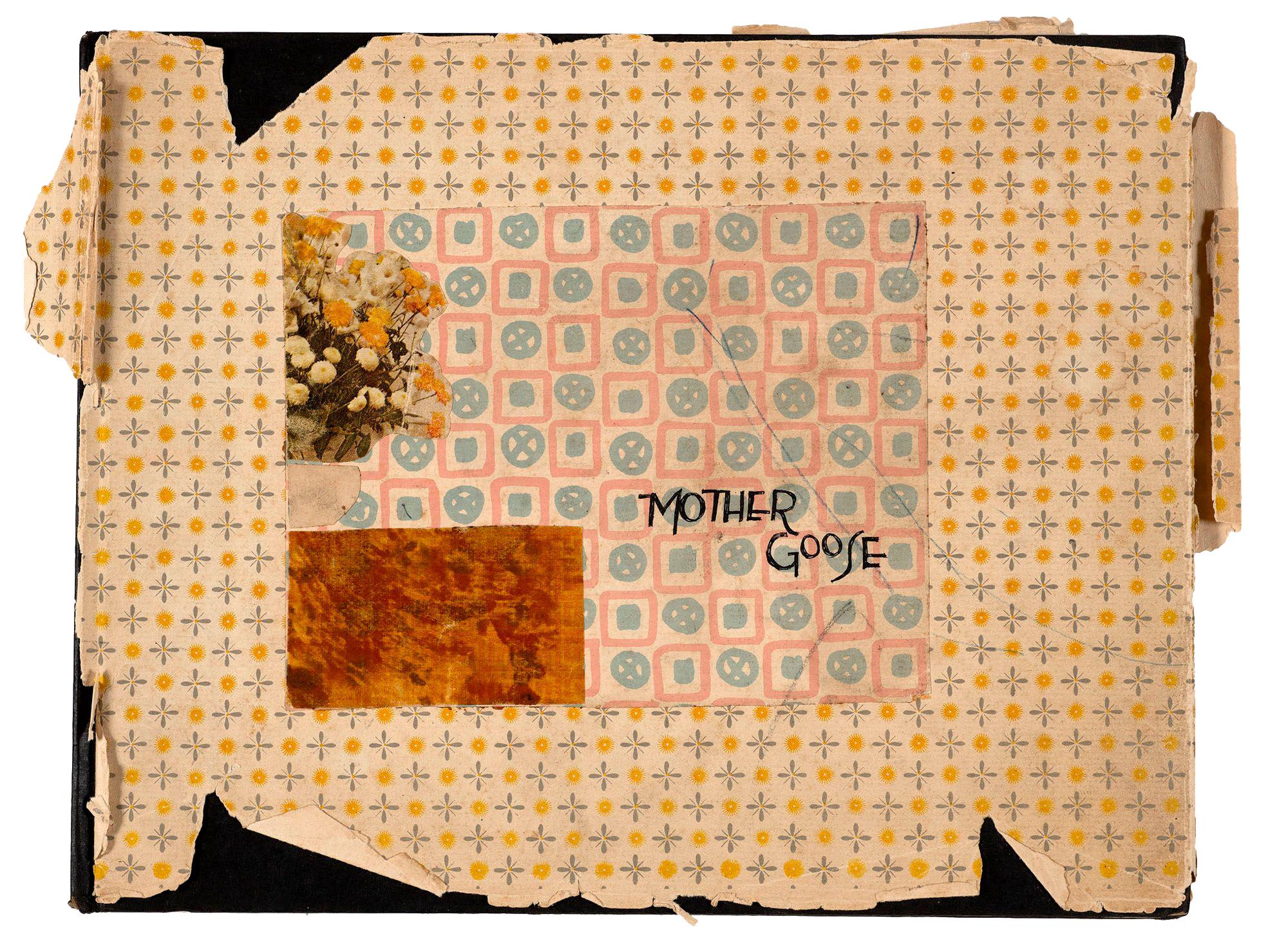
Jacqueline Ayer, Untitled (Handmade book for Margot), 1960
Jacqueline Ayer (1930–2012) had a career that spanned many creative fields. She began as a fashion illustrator, and later turned her hand to children’s books, textiles and garments, as she worked in New York, Paris, London, Bangkok, Hong Kong and across India. Jacqueline Ayer could not find children's books for her daughters when she first moved to Bangkok, Thailand, and so she made this nursery rhyme book out of magazines.

Collette's "Gigi and the Cat", 1958
British illustrator Janina Ede (1937-2018) created covers and illustrations for over 100 books from the 1950s to the 1980s.
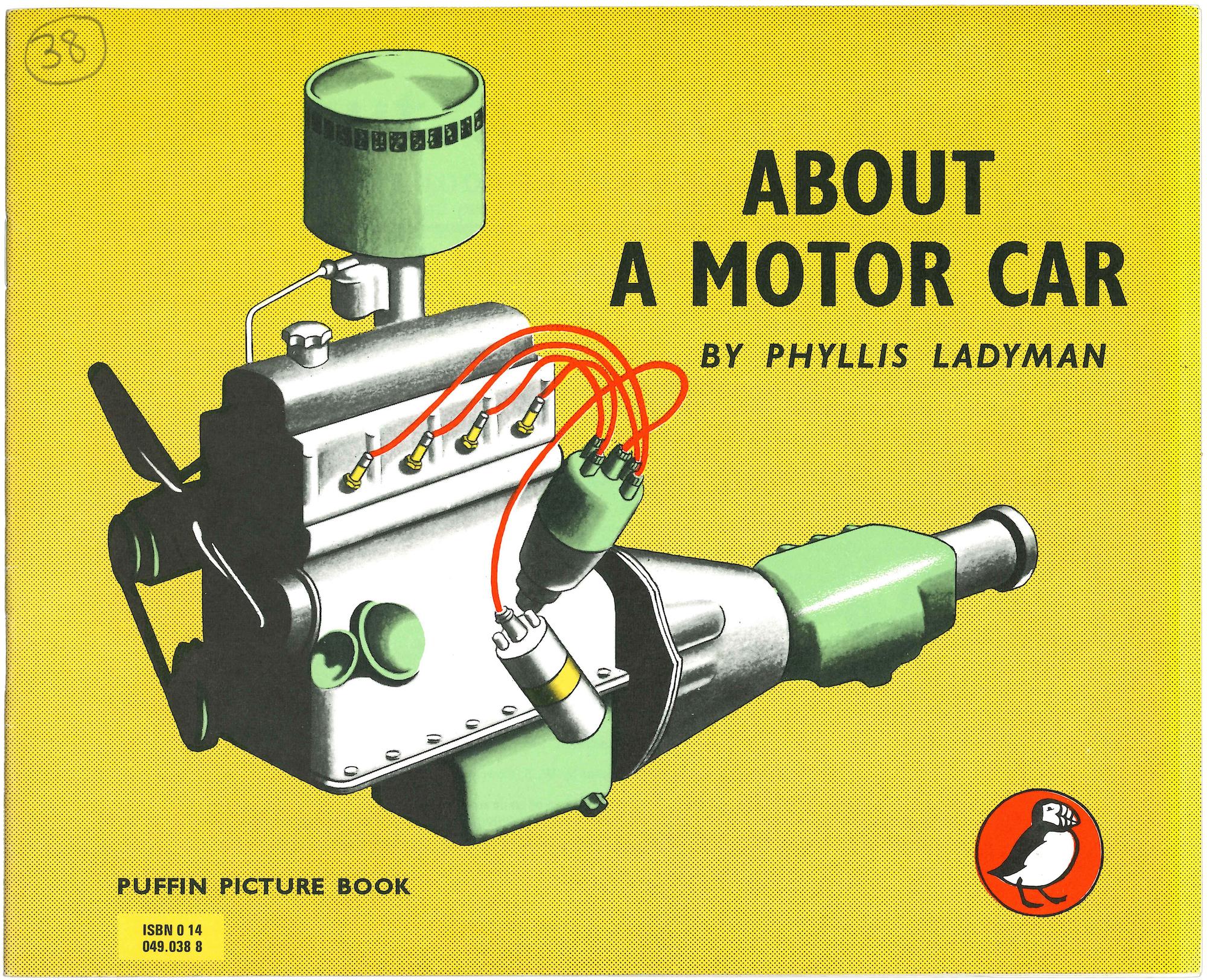
About a Motor Car, 1946
The Puffin Picture Books series was established by designer and editor Noel Carrington (1895-1989). In 1933, artist Pearl Binder (1904-1990) sent Carrington a package of Soviet children’s books. “They were produced by the million on very cheap paper, but the drawings were vigorous and the colour delightful” he later remembered. These books inspired Carrington to edit a series of affordable books that would encourage “the child’s awakening interest in its surroundings... I felt that colour was essential, and that artists could... be more successful in books of this nature than the camera”. Many artists and illustrators worked on the series, adapting their ways of working to lithographic printing and the Puffin Picture Book format. Most of the 120 books in the series were printed on one large sheet of paper: one side in colour and one in black-and-white. Each sheet was cut, folded and stapled to create a softcover book.
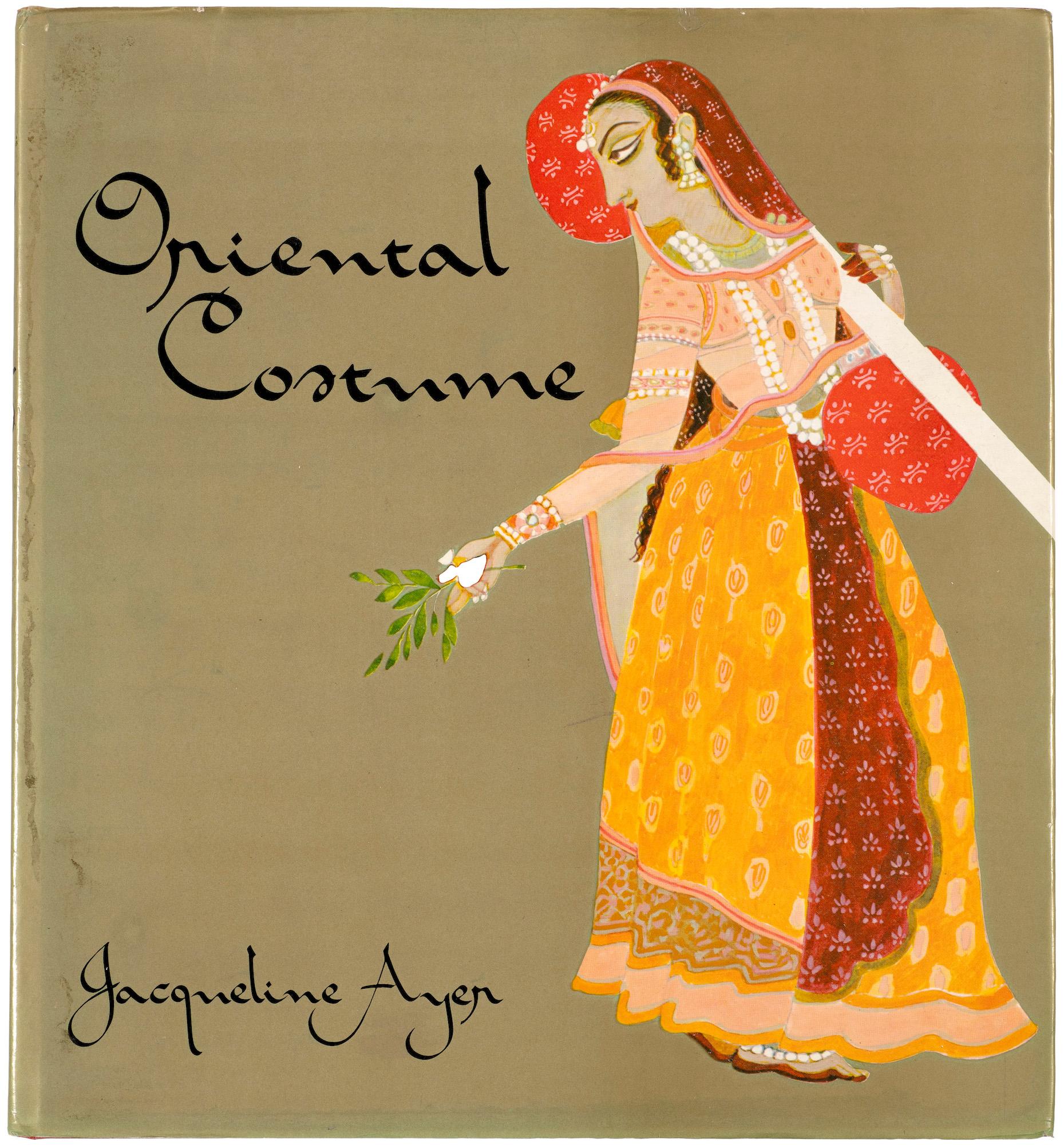
Jacqueline Ayer, Oriental Costume, 1974
Ayer originally intended to set a children’s book in India after travelling there as a design and production consultant for the Indian government. She decided instead to put together a book featuring sketches from life and historical artworks, that documented the clothing of different social and cultural groups. Ayer wrote, ‘I had seen prints done by the Victorian colonials of fierce ‘tribal leaders and village belles’. The English were very good record keepers, though not always reliable. Their basic message was often self-enhancing. Beautifully drawn though, it was inspiring to imagine what their view might have been if they were less involved in propaganda.’ Oriental* Costume (1974) aimed to show the diversity of types and uses of clothing in Cambodia, China, Japan, Mongolia, Nepal, Thailand and Tibet. Ayer hoped her book would be different from colonial representations, however the way that the book combines and categorises cultural groups carries a colonial influence. The illustration seen here is featured on the book's front cover and titled 'Noble lady, Rajasthan, 18th Century'. *The term ‘oriental’ has colonial and racist origins. It was established during a period when European powers took political control of other countries and defined non-European cultures as ‘inferior’ to their own. ‘Oriental’ was commonly used in English-speaking countries until the late 20th century to group together people, culture and places in Northern Africa, East Asia and Southeast Asia, as well as objects thought to have originated in these areas. The term has been widely rejected today as it exoticizes and ‘others’ these diverse cultures. Ayer used the term here to collectively refer to modes of dress from Cambodia, China, Japan, Mongolia, Nepal, Thailand and Tibet.
![Dve sobaki [Two Dogs]](https://cdn.sanity.io/images/n83t80i6/production/4360e5391cd88c1f1dd88bc65b8c1072128540f4-1474x2000.jpg?auto=format&fit=max&q=75&w=1474)
Vera Ermolaeva, Dve sobaki [Two Dogs], 1930
Vera Ermolaeva (1893-1937) was an illustrator and painter. In 1918 she founded Segodnia [Today] collective in Petrograd; the first Soviet children’s book publisher. She illustrated children’s books throughout the 1920s and 30s for Detgiz, The State Children’s Publishing House in Russia. This book is one of a series of 12 fables by Ivan Krylov illustrated by Ermolaeva. Two dogs with the same owner discuss their different lives living indoors and out in the yard. It was published in Leningrad (Saint Petersburg), Russia at a time when children’s books became a mass media phenomenon. Over a ten-year period, almost 10,000 titles were published in several editions of up to 200,000. Many of these books took experimental approaches to storytelling, design and layout.
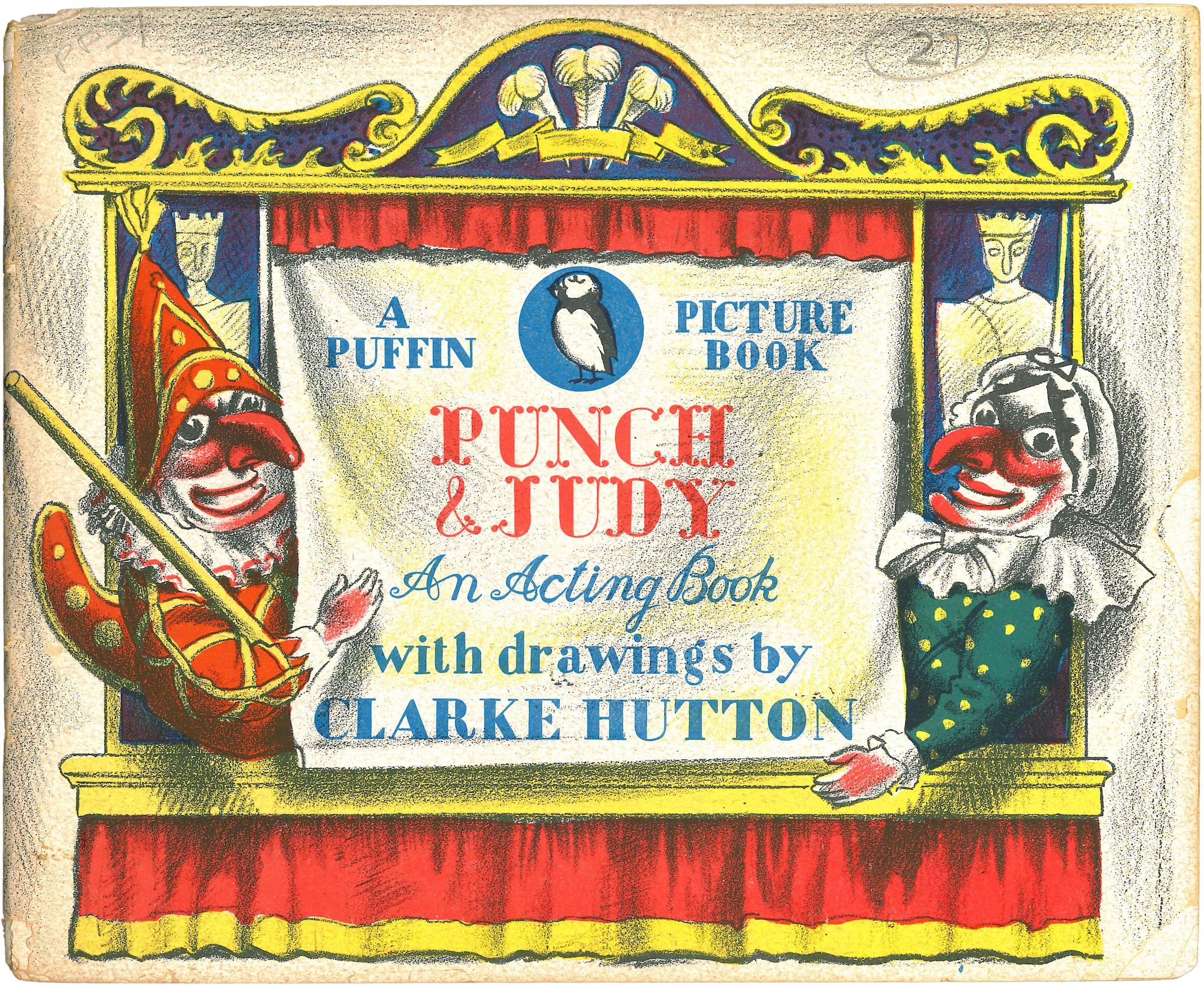
Punch & Judy, 1942
The Puffin Picture Books series was established by designer and editor Noel Carrington (1895-1989). In 1933, artist Pearl Binder (1904-1990) sent Carrington a package of Soviet children’s books. “They were produced by the million on very cheap paper, but the drawings were vigorous and the colour delightful” he later remembered. These books inspired Carrington to edit a series of affordable books that would encourage “the child’s awakening interest in its surroundings... I felt that colour was essential, and that artists could... be more successful in books of this nature than the camera”. Many artists and illustrators worked on the series, adapting their ways of working to lithographic printing and the Puffin Picture Book format. Most of the 120 books in the series were printed on one large sheet of paper: one side in colour and one in black-and-white. Each sheet was cut, folded and stapled to create a softcover book.
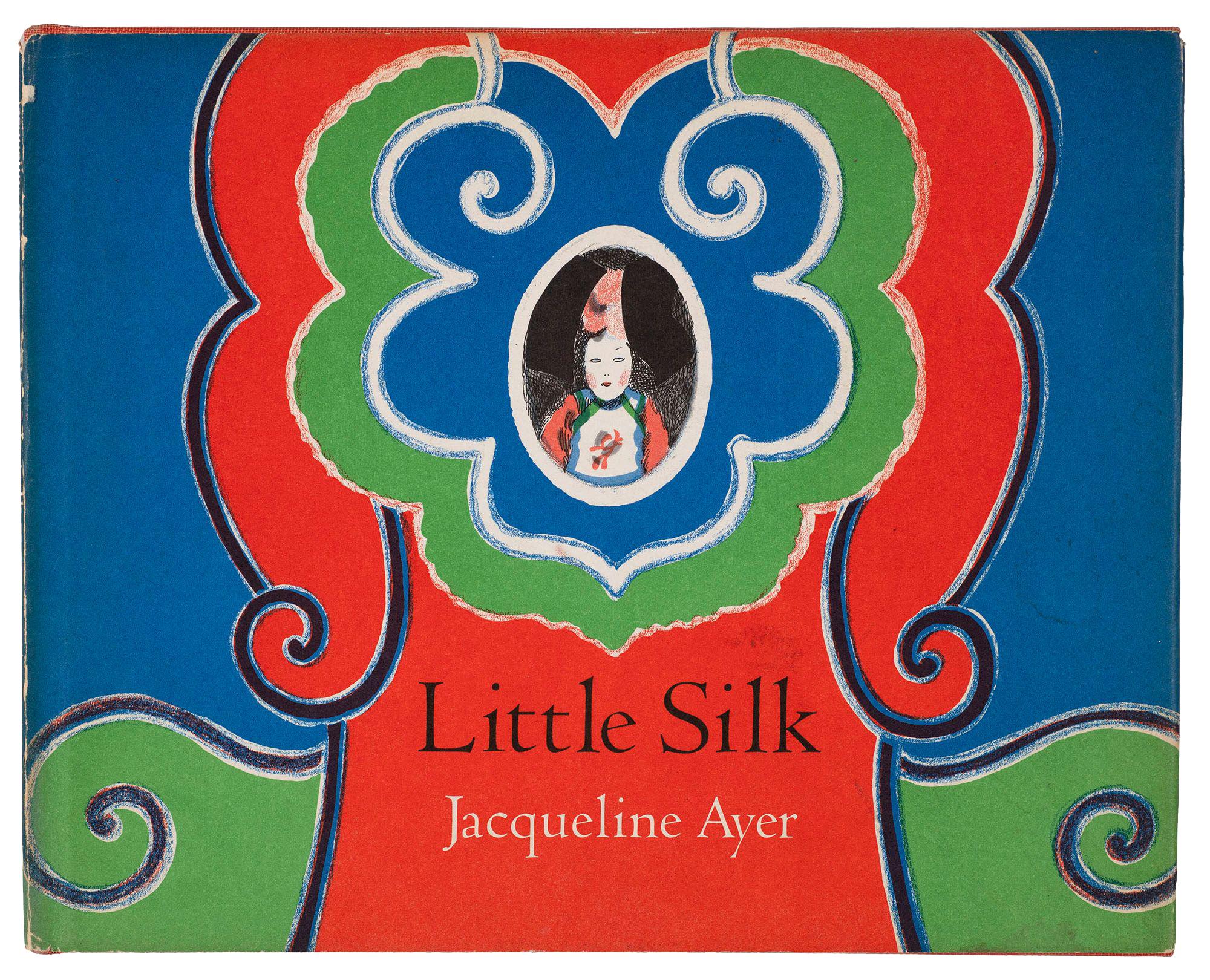
Jacqueline Ayer, Little Silk, 1970
Jacqueline Ayer (1930–2012) had a career that spanned many creative fields. She began as a fashion illustrator, and later turned her hand to children’s books, textiles and garments, as she worked in New York, Paris, London, Bangkok, Hong Kong and across India. Ayer’s fifth book, Little Silk, is about a lost doll who eventually finds her way to a loving home. It takes place in Hong Kong, where Ayer lived with her daughters from 1963 to 1965.
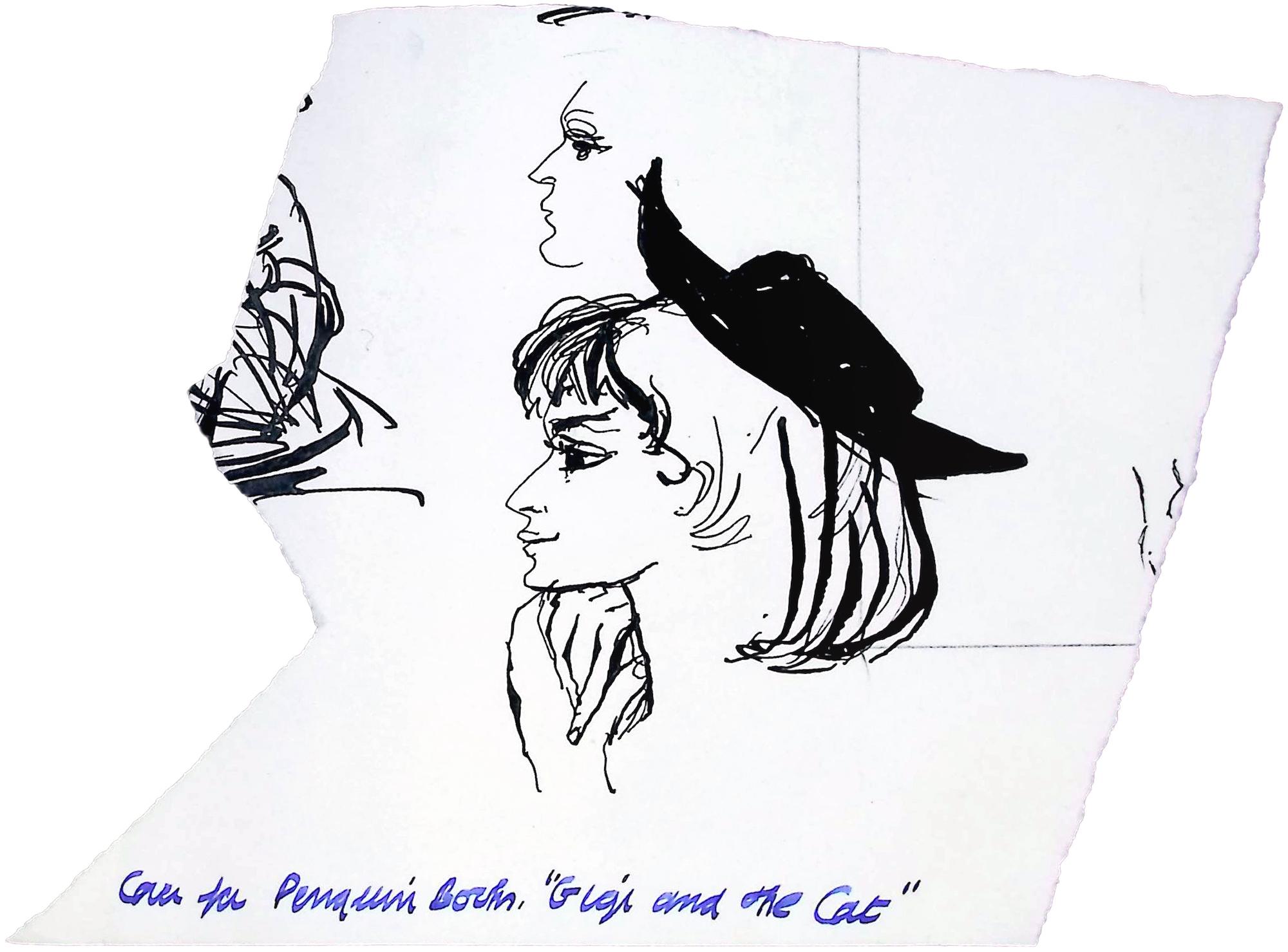
Draft cover illustration for Collette's "Gigi and the Cat", c. 1958
British illustrator Janina Ede (1937-2018) created covers and illustrations for over 100 books from the 1950s to the 1980s.
![Zagadki [Riddles]](https://cdn.sanity.io/images/n83t80i6/production/32f82c0fdcc37913f780c6ed76a28e7382036e3f-1328x1670.jpg?auto=format&fit=max&q=75&w=1328)
Lev Mordvinov, Zagadki [Riddles], 1929
In this book, a series of riddles about household objects are paired with illustrations of them. It was published in Leningrad (Saint Petersburg), Russia at a time when children’s books became a mass media phenomenon. Over a ten-year period, almost 10,000 titles were published in several editions of up to 200,000. Many of these books took experimental approaches to storytelling, design and layout.
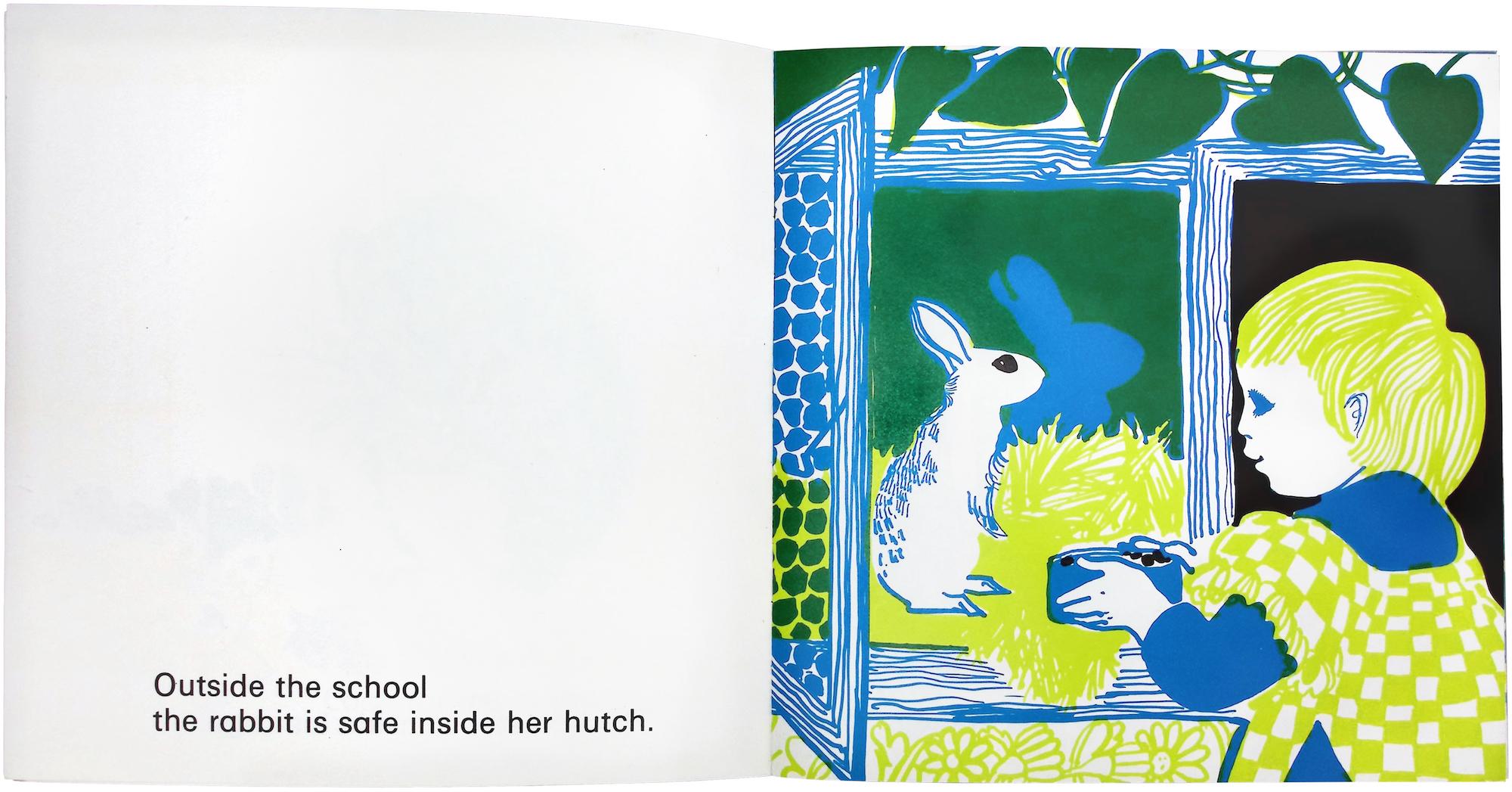
It's Sunny Outside, 1974
British illustrator Janina Ede (1937-2018) created covers and illustrations for over 100 books from the 1950s to the 1980s. Many of her illustrations feature animals, which she drew from life.
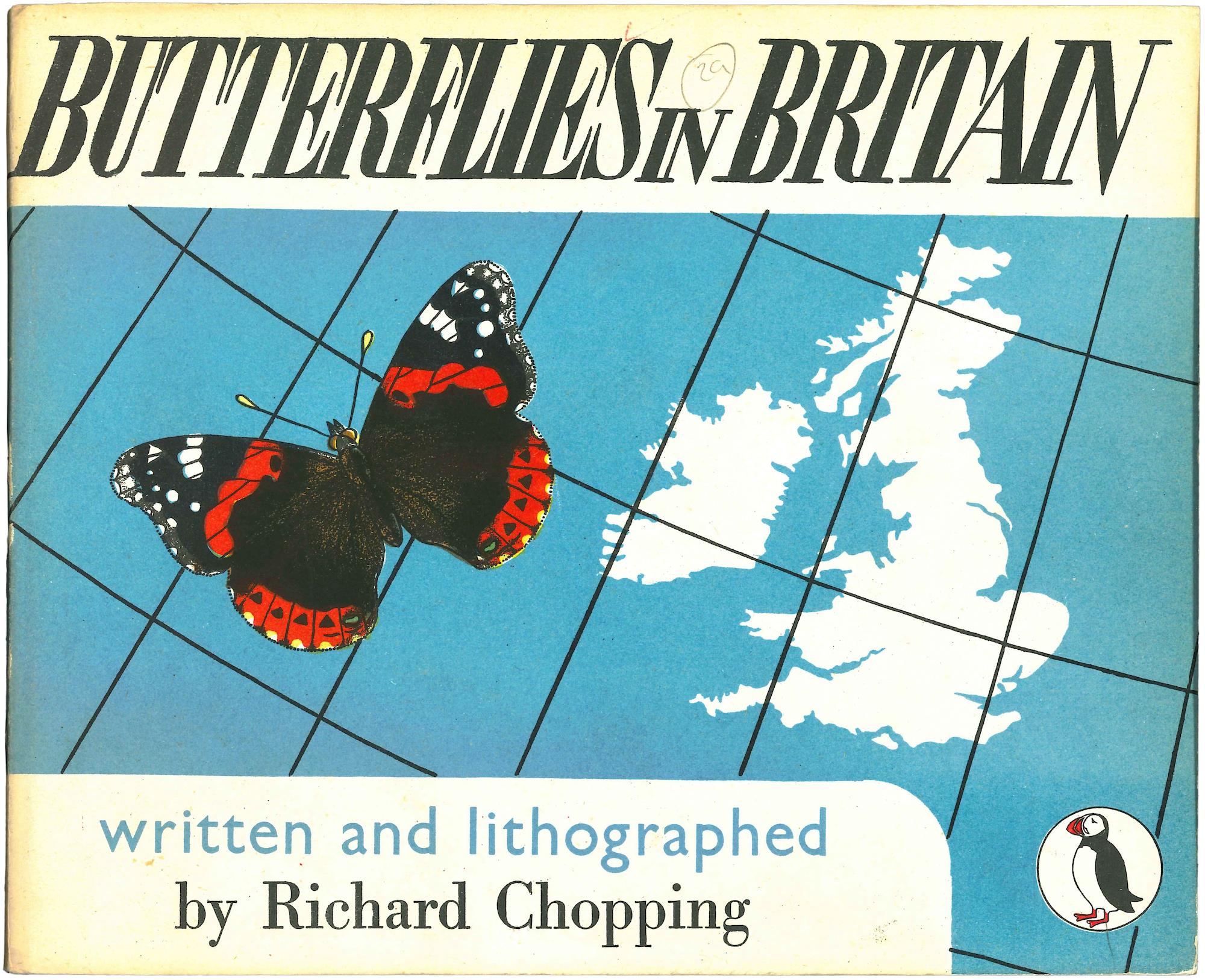
Butterflies in Britain, 1943
The Puffin Picture Books series was established by designer and editor Noel Carrington (1895-1989). In 1933, artist Pearl Binder (1904-1990) sent Carrington a package of Soviet children’s books. “They were produced by the million on very cheap paper, but the drawings were vigorous and the colour delightful” he later remembered. These books inspired Carrington to edit a series of affordable books that would encourage “the child’s awakening interest in its surroundings... I felt that colour was essential, and that artists could... be more successful in books of this nature than the camera”. Many artists and illustrators worked on the series, adapting their ways of working to lithographic printing and the Puffin Picture Book format. Most of the 120 books in the series were printed on one large sheet of paper: one side in colour and one in black-and-white. Each sheet was cut, folded and stapled to create a softcover book.
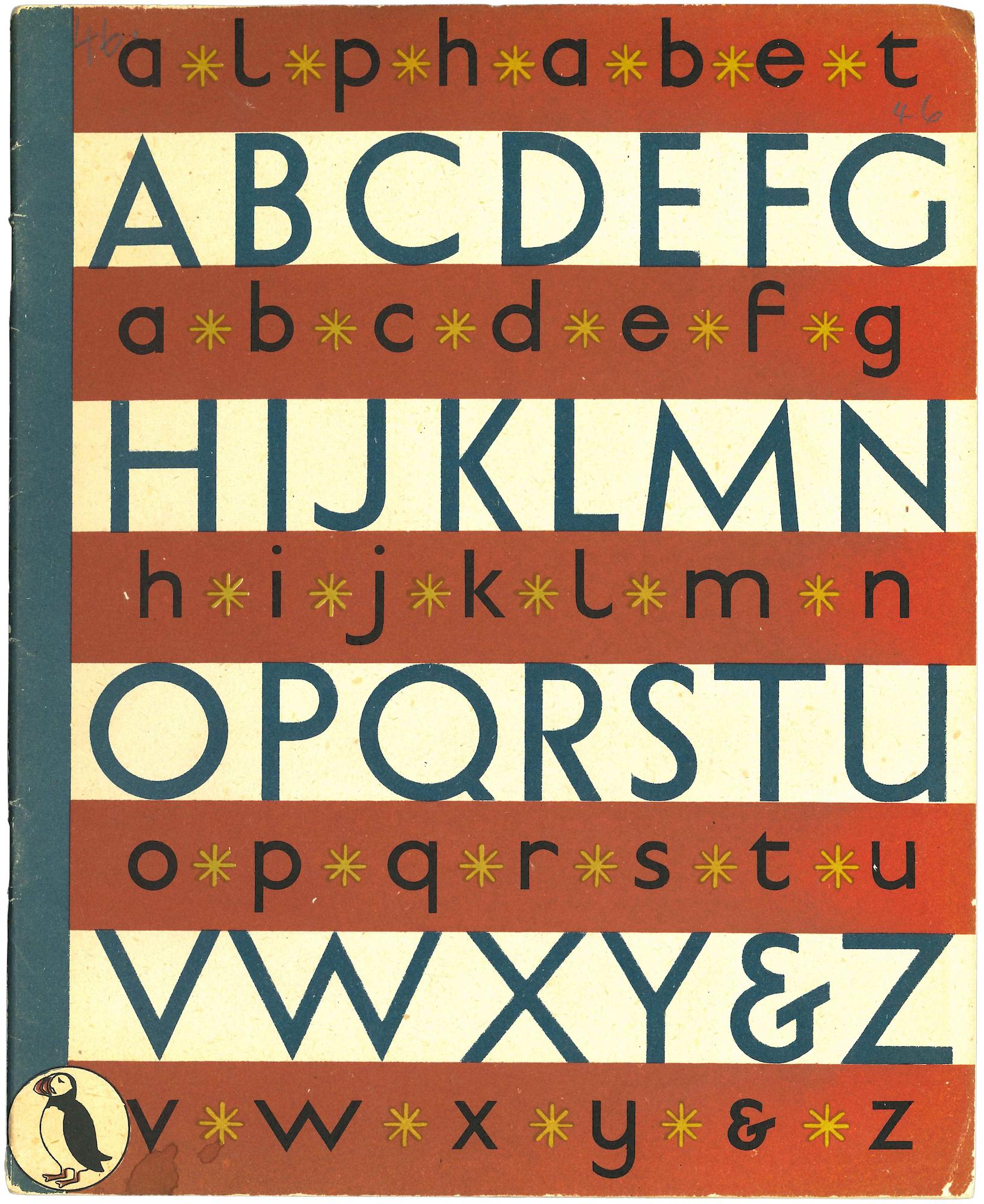
A Child’s Alphabet, 1945
The Puffin Picture Books series was established by designer and editor Noel Carrington (1895-1989). In 1933, artist Pearl Binder (1904-1990) sent Carrington a package of Soviet children’s books. “They were produced by the million on very cheap paper, but the drawings were vigorous and the colour delightful” he later remembered. These books inspired Carrington to edit a series of affordable books that would encourage “the child’s awakening interest in its surroundings... I felt that colour was essential, and that artists could... be more successful in books of this nature than the camera”. Many artists and illustrators worked on the series, adapting their ways of working to lithographic printing and the Puffin Picture Book format. Most of the 120 books in the series were printed on one large sheet of paper: one side in colour and one in black-and-white. Each sheet was cut, folded and stapled to create a softcover book.
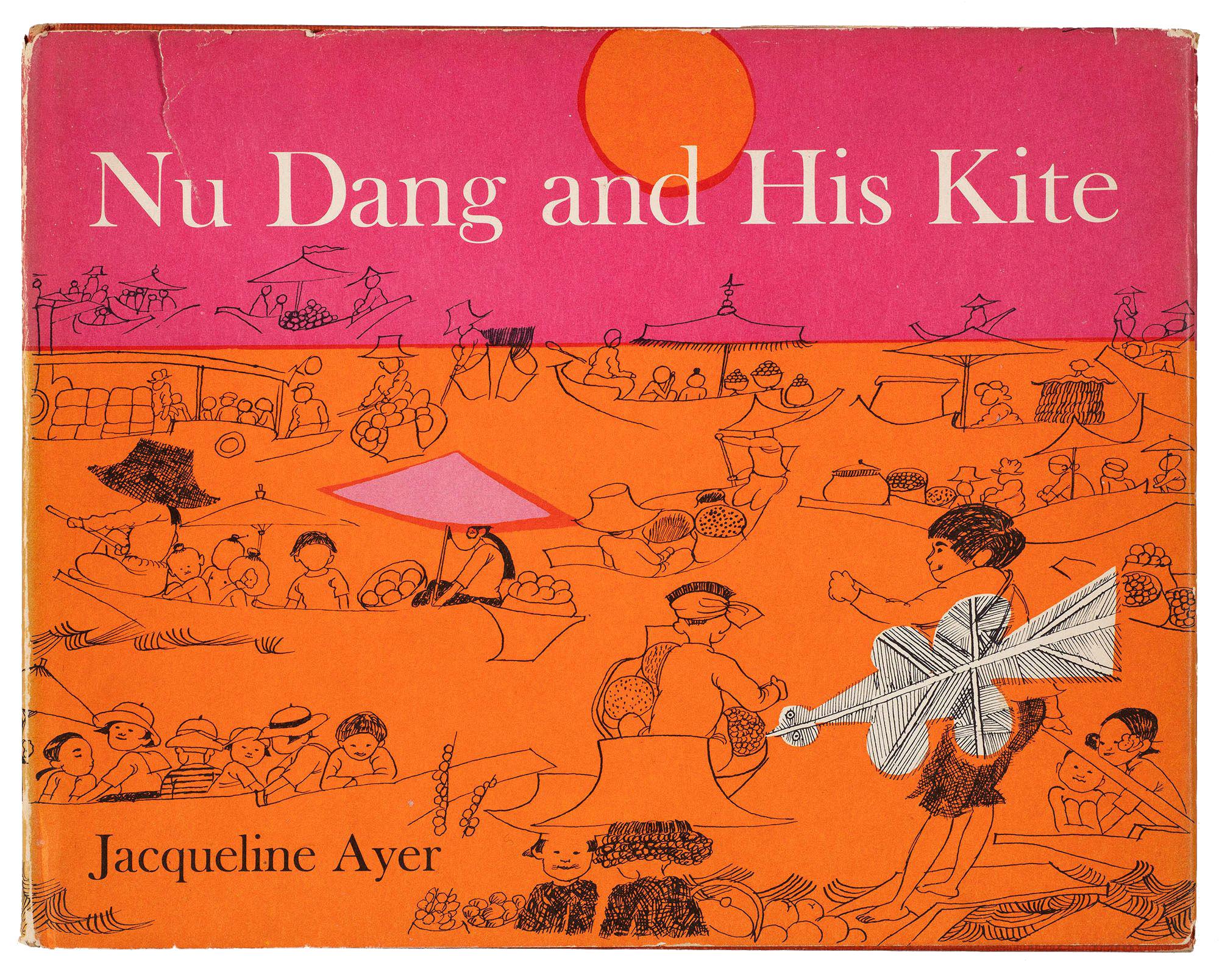
Jacqueline Ayer, Nu Dang and His Kite, 1959
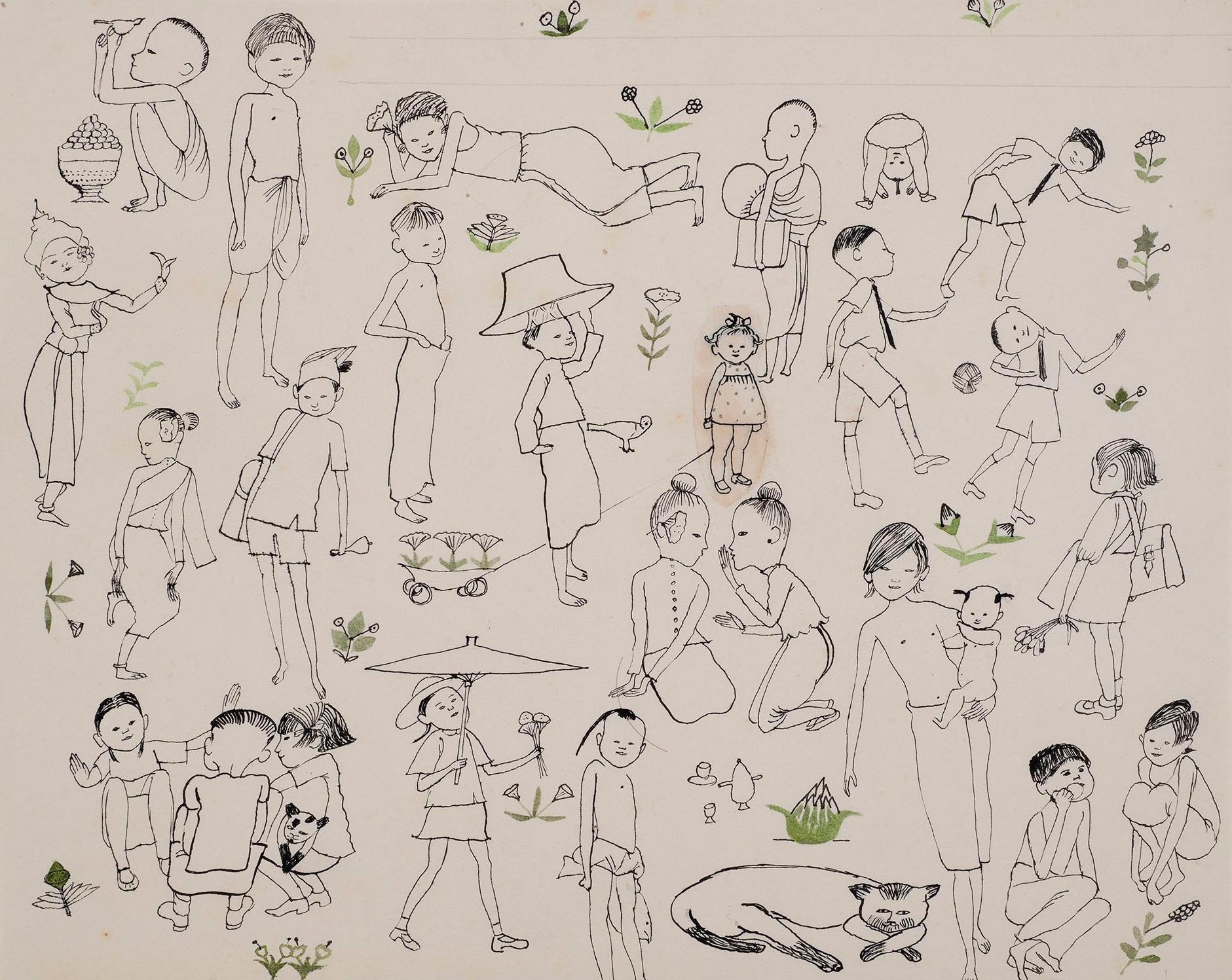
After moving to Bangkok in 1956, Jacqueline learnt Thai as she was punted around the canals (‘klongs’) of the city by her gardener in a canoe. She would take piles of typewriter paper with her to sketch local people at work. Whilst visiting New York she showed these to Margaret McElderry, a children’s book editor at Harcourt Brace, and the response was positive. She was advised to write a story from what she saw around her in Thailand, and the result was her first children’s book, Nu Dang and His Kite. Ayer wrote and illustrated five of her own books, four of which gave insight into 1960s Thailand to US and UK audiences, while the fifth was set in Hong Kong.
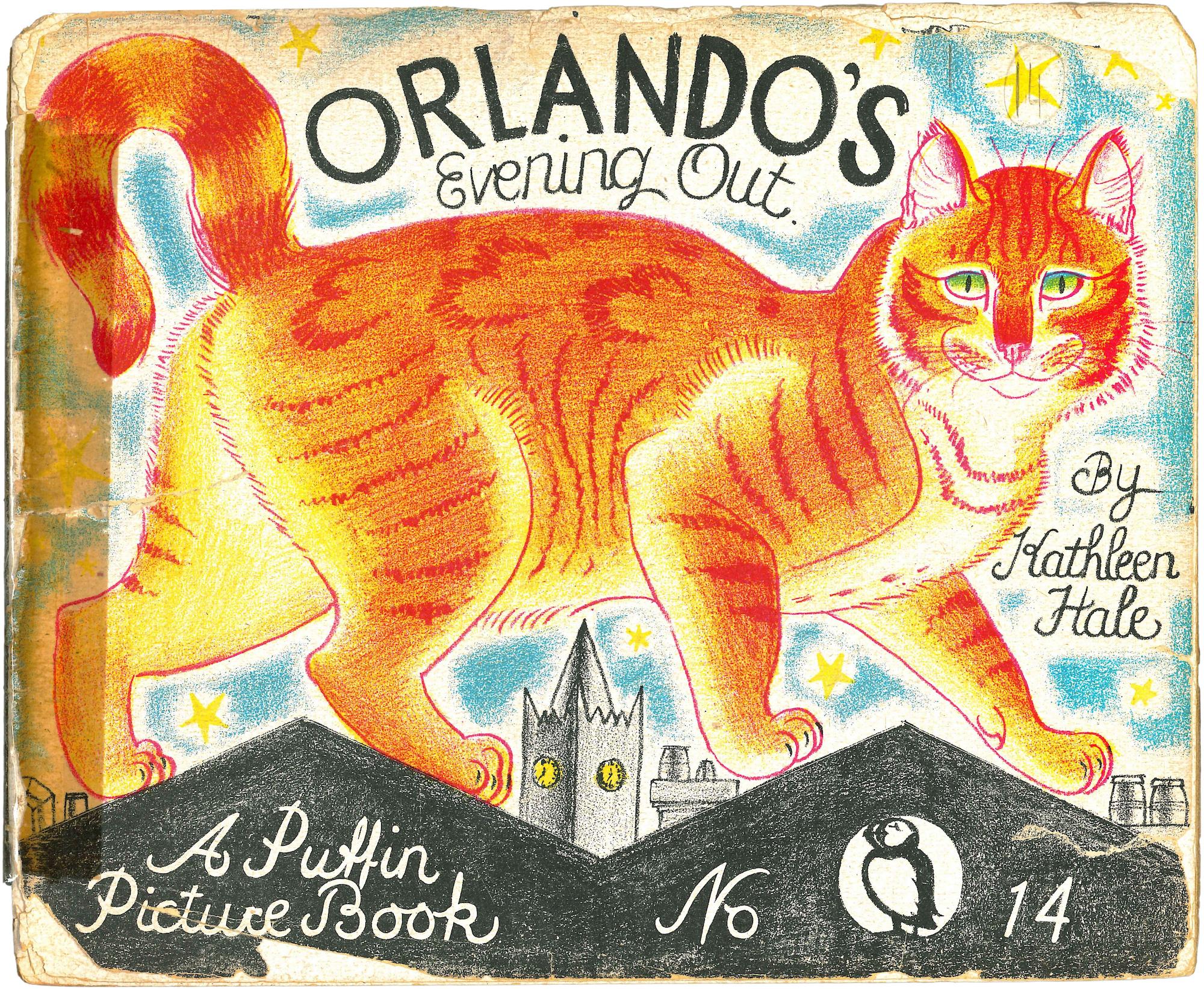
Orlando’s Evening Out, 1944
The Puffin Picture Books series was established by designer and editor Noel Carrington (1895-1989). In 1933, artist Pearl Binder (1904-1990) sent Carrington a package of Soviet children’s books. “They were produced by the million on very cheap paper, but the drawings were vigorous and the colour delightful” he later remembered. These books inspired Carrington to edit a series of affordable books that would encourage “the child’s awakening interest in its surroundings... I felt that colour was essential, and that artists could... be more successful in books of this nature than the camera”. Many artists and illustrators worked on the series, adapting their ways of working to lithographic printing and the Puffin Picture Book format. Most of the 120 books in the series were printed on one large sheet of paper: one side in colour and one in black-and-white. Each sheet was cut, folded and stapled to create a softcover book.
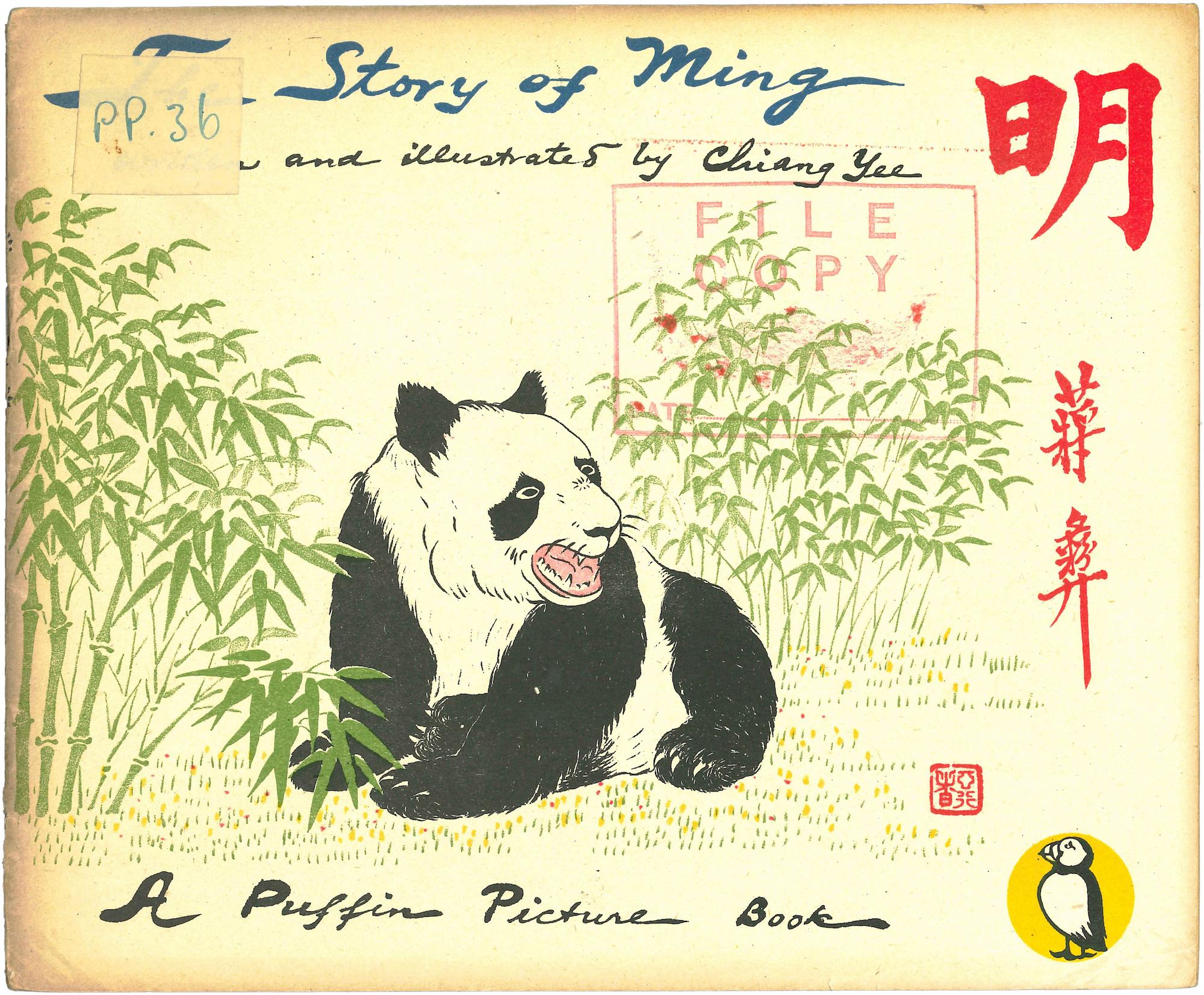
The Story of Ming, 1944
The Puffin Picture Books series was established by designer and editor Noel Carrington (1895-1989). In 1933, artist Pearl Binder (1904-1990) sent Carrington a package of Soviet children’s books. “They were produced by the million on very cheap paper, but the drawings were vigorous and the colour delightful” he later remembered. These books inspired Carrington to edit a series of affordable books that would encourage “the child’s awakening interest in its surroundings... I felt that colour was essential, and that artists could... be more successful in books of this nature than the camera”. Many artists and illustrators worked on the series, adapting their ways of working to lithographic printing and the Puffin Picture Book format. Most of the 120 books in the series were printed on one large sheet of paper: one side in colour and one in black-and-white. Each sheet was cut, folded and stapled to create a softcover book.

A Book of Swimming, 1945
The Puffin Picture Books series was established by designer and editor Noel Carrington (1895-1989). In 1933, artist Pearl Binder (1904-1990) sent Carrington a package of Soviet children’s books. “They were produced by the million on very cheap paper, but the drawings were vigorous and the colour delightful” he later remembered. These books inspired Carrington to edit a series of affordable books that would encourage “the child’s awakening interest in its surroundings... I felt that colour was essential, and that artists could... be more successful in books of this nature than the camera”. Many artists and illustrators worked on the series, adapting their ways of working to lithographic printing and the Puffin Picture Book format. Most of the 120 books in the series were printed on one large sheet of paper: one side in colour and one in black-and-white. Each sheet was cut, folded and stapled to create a softcover book.
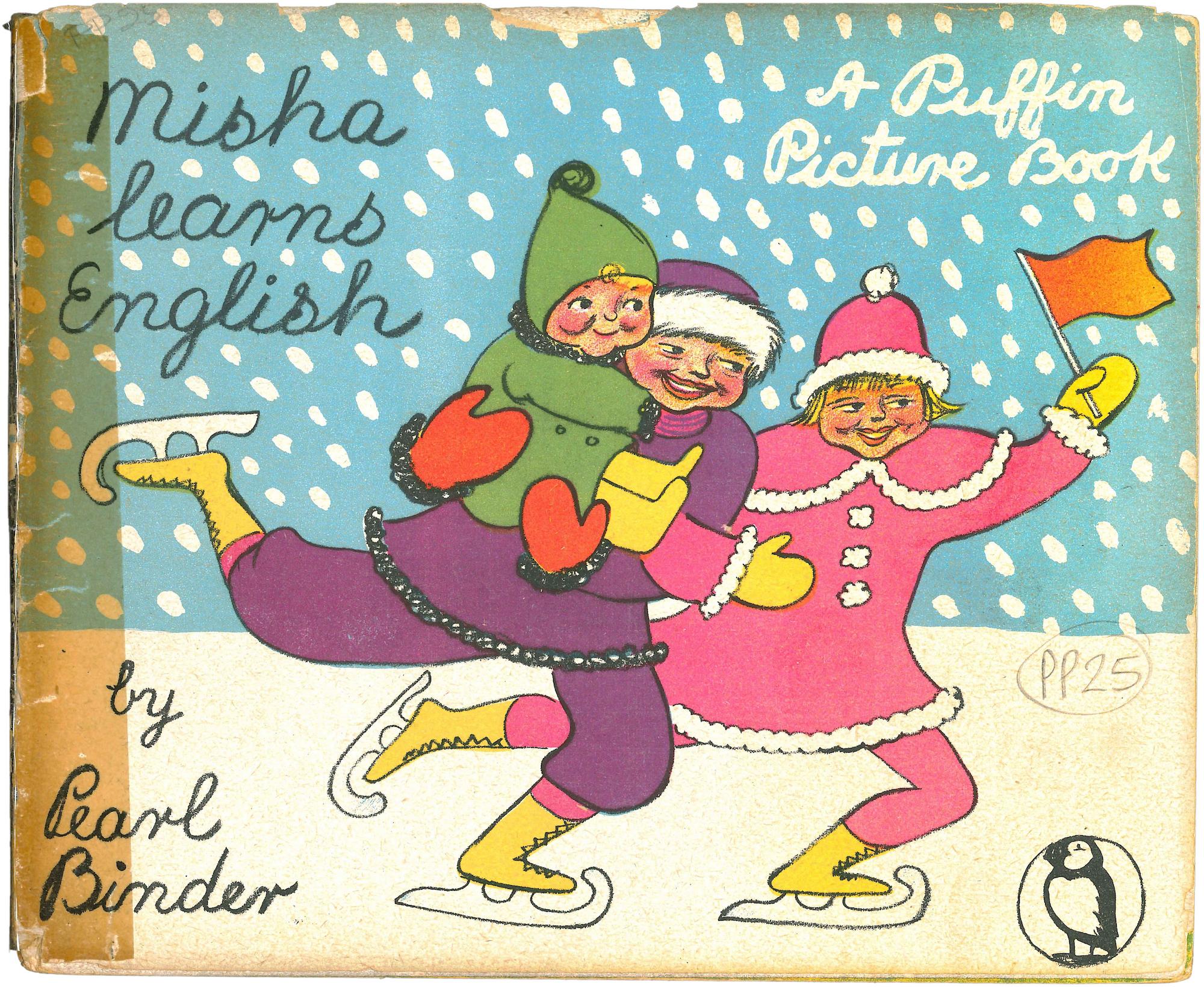
Misha learns English, 1942
The Puffin Picture Books series was established by designer and editor Noel Carrington (1895-1989). In 1933, artist Pearl Binder (1904-1990) sent Carrington a package of Soviet children’s books. “They were produced by the million on very cheap paper, but the drawings were vigorous and the colour delightful” he later remembered. These books inspired Carrington to edit a series of affordable books that would encourage “the child’s awakening interest in its surroundings... I felt that colour was essential, and that artists could... be more successful in books of this nature than the camera”. Many artists and illustrators worked on the series, adapting their ways of working to lithographic printing and the Puffin Picture Book format. Most of the 120 books in the series were printed on one large sheet of paper: one side in colour and one in black-and-white. Each sheet was cut, folded and stapled to create a softcover book.